Tornado Alley is moving east, impacting insurance models as tornado activity rises in densely populated areas like Illinois and Wisconsin.
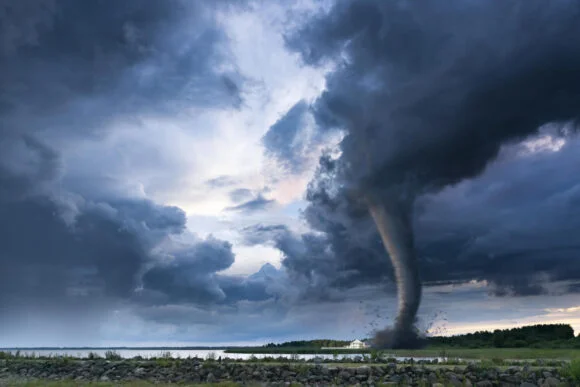
## Tornado Alley’s Changing Geography: A New Risk Paradigm
The traditional boundaries of Tornado Alley are shifting, a trend that has serious implications for the insurance sector. As more tornadoes are striking areas with larger populations, the potential for increased insurance claims is surging. With the peak of the tornado season now past, experts are warning that heightened risk will linger, particularly in the newly affected regions.
Illinois has emerged as a surprising leader in tornado activity this year, reporting 220 confirmed tornadoes by the end of July—a number that eclipses previous highs. Indiana and Wisconsin have also set records, indicating that the threats posed by tornadoes are no longer confined to their historical locations, such as Texas and Oklahoma. This westward migration towards more populous areas signals that the insurance industry needs to reassess their risk models and pricing structures.
What's driving this uptick in tornadoes in unexpected regions? According to weather scientists, climate change is fundamentally altering atmospheric patterns, allowing warmer, moisture-laden air to travel further northeast than it has in decades. Specifically, Illinois has seen its third significant surge in tornado activity in just five years, with current volumes already surpassing the totals from 2024 and 2025 combined. Notably, the intensity of these tornadoes has increased fourfold since 2022, according to data from Verisk.
The concentrated nature of this year's tornadoes—in particular, those occurring in Cook, Kankakee, and Coles counties—adds another layer of concern. Kankakee, for instance, recorded an average loss estimate of $104,000 per event during this surge. This concentrated activity raises alarms not just because of the rising tally of tornadoes, but due to the growing investments required to cover the resultant damages.
Wisconsin has experienced an even more dramatic rise, with tornadoes reported up 672% year-over-year, primarily due to a singular destructive event in Winnebago County last July. This sharp increase underscores how a single incident can skew averages significantly and highlights the urgent need for the insurance industry to adapt quickly to localized risks.
Tory Farney, a vice president at Verisk Weather Solutions, summarizes the situation succinctly: the eastward shift of Tornado Alley introduces new challenges owing to the population density in these new areas. Although the total number of tornado occurrences hasn’t increased dramatically, the severity of individual events, coupled with higher property values in more densely populated regions, means that losses are expected to mount significantly.
Interestingly, national trends reveal that while the overall volume of tornado claims is declining, the severity of those claims continues to rise. Data shows a sharp increase in average reconstruction costs, now 72% higher than in 2022.
Still, uncertainties linger about the longevity of this geographical shift. Farney mentions that while substantial evidence supports that the shift is occurring, questions remain about its permanence and whether it might revert to previous patterns. Climate change is a likely driver, but emerging research on broader climate oscillations, like the Pacific and Atlantic decadal oscillations, may also play a role.
Moreover, this trend isn’t isolated to tornadoes. Other severe weather risks, such as thunderstorms and hail, are also moving eastwards, adding another dimension to the shifting risk landscape. Allianz has highlighted this broader trend, noting new records for insured damages from hailstorms and severe thunderstorms increasingly impacting historically stable areas.
The urgency of these developments cannot be overstated. Verisk's findings indicate that severe thunderstorms now contribute significantly to catastrophe losses in the insurance sector, with a staggering 59% increase in severe events generating losses exceeding $1 billion from 2020 to 2024 compared to previous years. Between 2020 and 2024, the average property exposure grew by 7.3% annually due to newly constructed properties and rising replacement costs.
For those of you navigating the complex terrain of insurance and risk management, the time to adjust strategies is now. The convergence of severe weather patterns and increasing property values in at-risk regions may redefine the way insurers assess and price their coverage offerings.
Discussion
Sign in to join the discussion.