Vertical Integration: Redefining Efficiency in the Entertainment Industry
Published Jun 30, 2026Views 407By Market Realist Team
Fab Factory Studios' investment in Milkyway Brands signals a shift towards streamlined services for creators, enhancing profitability and reducing complexities.
Decoding the Shift in Entertainment Infrastructure
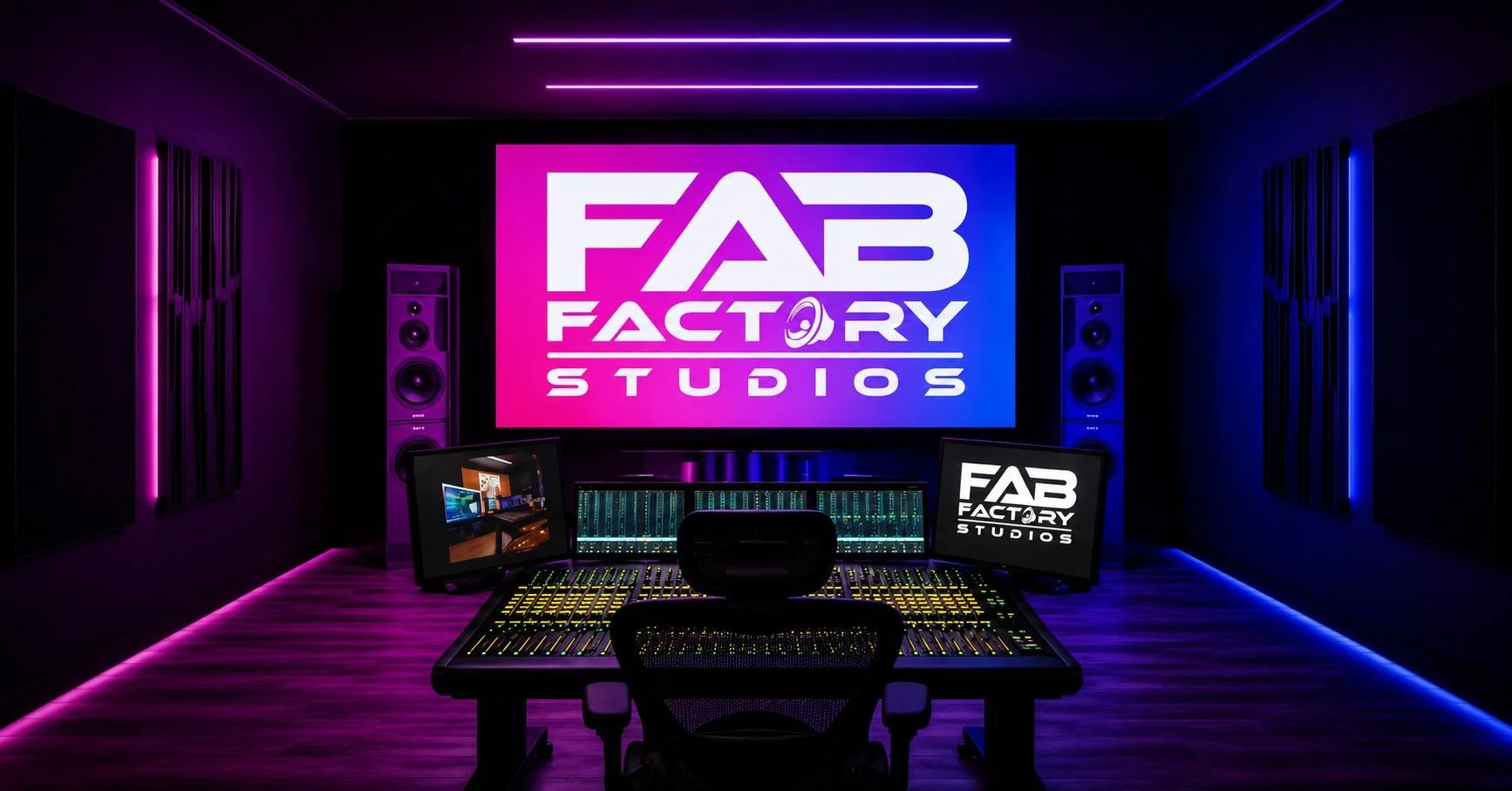
A notable transformation is taking place within the entertainment industry, particularly as companies pivot towards vertical integration. Fab Factory Studios, renowned for its partnerships with prominent names like SZA, will.i.am, and The Chainsmokers, is at the forefront of this movement. The studio's recent investment in Milkyway Brands signifies a strategic shift aimed at reshaping how entertainment entities operate and monetize creative outputs. Instead of merely functioning as a rental hub for time and equipment, Fab Factory is crafting a comprehensive services platform that consolidates multiple aspects of content creation, post-production, and merchandise fulfillment.
This shift isn't just about expansion; it's a calculated response to a market that has seen many creators stuck in fragmented supply chains. Picture this: a musician needing to record a track, post snippets on various social media platforms, create merchandise, and handle order fulfillment—all through separate vendors. Such a disjointed approach not only incurs higher costs but also introduces complications at every interface. Milkyway Brands, recognized for its streamlined supply chain management, is stepping into this gap. The company, founded by Franco Infante, integrates every stage of merchandise production—from design through to fulfillment—saving creators from the hassle and cost associated with outsourcing to multiple parties.
What's really compelling here is the economic advantage of vertical integration. Creators typically forfeit a significant portion of merchandise revenue—about 15-25%—to cover costs related to manufacturing and fulfillment when using various vendors. In contrast, Milkyway's model promises to capture that margin, offering creators not only better quality control but also faster turnaround times in their product launches.
Strategic Ownership and Competitive Advantage
Steven Fabos, the chairman of Fab Factory, has consistently pursued a model of vertical ownership across his business ventures. His earlier venture, a gourmet dessert company, saw substantial success as a key supplier for Starbucks. This precedent establishes a clear philosophy that he's now applying to the entertainment sector. Fab Factory's operational footprint has grown to 120,000 square feet across two Los Angeles campuses, previously serving as a post-production hub for Netflix. By controlling this infrastructure outright, Fab Factory is not merely renting space; it's mastering its cost structure while ensuring that quality and client relationships remain firmly in its grasp.
Investing in Milkyway further strengthens this model. Integrating merchandise production on-site not only streamlines processes but also enhances profitability at various stages in the creator economy. The dual benefit of this approach is clear: it not only minimizes friction for clients but also raises the stakes for creators who choose to engage more deeply with Fab Factory's integrated solutions.
Diversifying Revenue Streams for Stability
From a broader business perspective, Fab Factory's strategic pivot is an astute reaction to the uncertainties inherent in traditional studio operations. Lease-based studio rentals expose companies to cyclical market conditions and fluctuating demand, which can severely limit profit margins. Fab Factory’s diverse clientele may be impressive, but they remain subject to the unpredictable nature of demand fluctuations.
By incorporating complementary services such as merchandise fulfillment and potentially digital platform integrations through Milkyway's capabilities, Fab Factory is crafting a more resilient revenue model. This paradigm shift enables the generation of predictable income streams, further solidifying its market position. When creators manufacture and sell merchandise on Fab Factory’s premises, they simultaneously cultivate recurring revenue potential—mitigating the risks tied to studio bookings and laying the groundwork for sustained growth in a competitive landscape.**A Shift in Creator Commerce Dynamics**
Fab Factory's latest investment into Milkyway is more than just a financial maneuver; it signals a pivotal shift in how creators will monetize their work. By enhancing customer lifetime value, Fab Factory creates an economic loop that entices creators to stick with their services. As these artists integrate recording and post-production with merchandise offerings, any movement away from this bundled system becomes increasingly costly. This interconnectedness builds loyalty while raising the stakes for creators who might otherwise consider competing platforms.
**Implications for Entertainment Infrastructure**
This move by Fab Factory not only strengthens its own position but also reflects a larger trend within the entertainment sector toward consolidation and integration. The creator economy is thriving, estimated at an astounding $250 billion, with merchandise contributing significantly—around 20% to 30% of revenue for successful artists. Yet, a large portion of this wealth remains trapped in fragmented supply chains dominated by third-party providers. By establishing a vertically integrated model, Fab Factory is not just tapping into lucrative margins; it’s reshaping the entire creator experience, offering a more streamlined and efficient pathway to revenue generation.
**Strategic Investor Perspectives**
Bringing on board investors like Tai Savet and Ketrina "Taz" Askew underscores a strategic alignment aimed at leveraging Fab Factory’s infrastructure for mutual growth. Their backgrounds in music and merchandise enhance the capabilities that Milkyway can offer creators. This assembly of talent and expertise indicates a clear intent to scale operations rapidly, making the integration of new creators more viable and driving up merchandise volume. But the success of this approach hinges on their ability to bring creators along, providing not just tools but a compelling reason to stay engaged.
**Return on Investment Signals**
From a financial point of view, this investment makes sense if Fab Factory can effectively utilize its enhanced merchandise production capacity. Projections indicate that a vertically integrated operation could yield gross margins between 8% and 15%. Moreover, by bundling services like studio time with merchandise deals, the company can significantly lower customer acquisition costs. In a highly competitive market, these efficiencies might very well determine hitters from quitters.
**Capital Investment Justification**
Although the specific financial terms weren’t disclosed, it's clear that the investment is substantial enough to support warehouse expansion and enhance production capabilities. The estimated $2 to $5 million required for facility upgrades and integrations suggests that Fab Factory is betting big on growing its footprint. If the projected surge in merchandise volume is realized, this capital injection could yield a solid return—not just for the company, but for the creator economy at large.
**Looking Ahead**
What does this all mean for the future of creator commerce? The formula emerging is straightforward: control the process, maximize profit margins, and create a frictionless ecosystem that makes leaving an unattractive option. Fab Factory's commitment to Milkyway epitomizes a wager on an interlinked future in creator commerce. If they succeed, they may not only reshape their business but potentially redefine the economic landscape for creators everywhere. As the market evolves, keeping an eye on these integrative strategies could reveal new avenues for growth and profitability within this vibrant economy.
Discussion
Sign in to join the discussion.