Ongoing Cleanup Efforts in North Carolina Highlight Long-Term Impacts of Hurricane Helene’s Debris
Published Oct 09, 2026Views 907By James Martinez
Two years post-Hurricane Helene, cleanup teams face challenges from persistent PVC pipe debris, posing ongoing risks to the French Broad River ecosystem.
Context of the Disaster
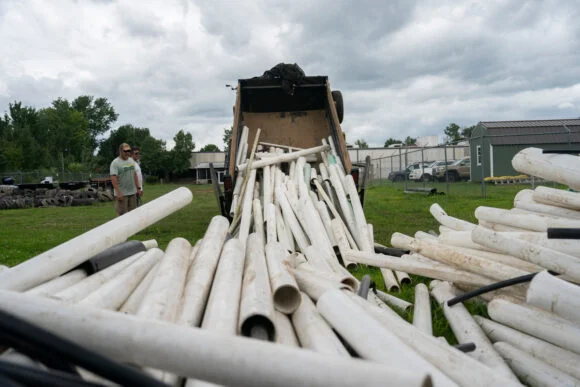
The physical and environmental devastation wrought by Hurricane Helene, which struck western North Carolina, is a testament to the unpredictable force of nature. It wasn’t just the immediate winds and rains that caused havoc; the flooding they triggered led to widespread damage that is still being felt two years later. The chaotic aftermath of Helene not only uprooted trees but also swept away thousands of PVC pipes stored in the area, serving as a striking reminder of how infrastructure can shift from asset to environmental liability overnight. Communities often struggle with the long-term impacts of such disasters; this event has proven no different.
Amid the debris, the French Broad River stands as both a lifeline for the community and a casualty of this disaster. This river is essential for recreation, tourism, and local biodiversity, all of which now sit at risk due to hurricane-related garbage. The community, once admired for its natural beauty, faces new challenges as it attempts to reclaim and restore its environment. So while life has carried on, the scars from Hurricane Helene reveal a deeper story about resilience, responsibility, and recovery.
Mounting Challenges of Cleanup
Jon Stamper, the operations director at MountainTrue, sums up the immense work ahead succinctly: it's exhausting. The organization is not just focused on a quick cleanup; they are tackling a monumental issue of ecological significance. Pipes aren't just trash; their presence disrupts aquatic ecosystems, poses choking hazards to wildlife, and risks becoming microplastics, which can infiltrate the food chain. This isn’t merely a cleanup; it’s a race against time to prevent further ecological degradation.
MountainTrue has indeed taken on a gargantuan challenge. Despite having cleared hundreds of thousands of pipes since the hurricane, many still remain stubbornly entrenched in the river’s landscape. Some trenches are inaccessible, making retrieval nearly impossible. It's a constant battle, as every day that passes, more debris gets swept in, compounding the problem. The cleanup thus provides a window into the grit and determination of those committed to environmental health, reinforcing how natural disasters can shift from immediate crisis to extended recovery.
IPEX's Role and Financial Implications
The role of IPEX in this crisis illustrates a recurring theme in disaster recovery: accountability. The company, which manufactured many of the pipes now strewn throughout the river, claims that the financial repercussions are massive—over $100 million in losses. However, it’s their reluctance to disclose the exact number of pipes released that raises eyebrows. This lack of transparency leaves stakeholders in the dark and raises questions about their commitment to environmental remediation.
Their pledge of $500,000 towards cleanup efforts might seem generous at first glance, but when compared to their projected losses, it raises a flag. It indicates a reactive rather than proactive approach to corporate responsibility. Are they truly invested in contributing to the healing of the ecosystem, or is this amount simply a drop in the bucket? (And this is the part most people overlook.) The gap between the financial damage reported and the actual investment made in cleanup is striking.
The Local Community's Stake
In the wake of such disasters, local communities often bear the brunt of the repercussions long after the skies have cleared. MountainTrue’s $10 million grant from the state is a lifeline, yet questions about the adequacy of these funds linger. There are compelling concerns about whether this amount is sufficient to address all lingering debris, particularly when reports indicate that about 80% of remaining debris in certain areas consists of PVC pipes.
Nature’s recovery is an intricate interplay of time, resources, and community involvement. Cleanup teams face the grueling task of navigating a hazardous environment, riddled with risk and uncertainty. Those working from MountainTrue aren't just dealing with debris; they’re wielding the hope of restoring the psychological and environmental fabric of their communities. The river is a central part of their identity, and its slow recovery represents not just the rebuilding of physical spaces but also restoration of trust and community spirit.
Implications for Future Environmental Work
Here's the thing: the long shadow of Hurricane Helene serves as a cautionary tale not only for North Carolina but for communities everywhere vulnerable to natural disasters. Effective disaster response extends well beyond immediate cleanup; it requires foresight, accountability, and continuous community engagement. This situation underscores how crucial it is for infrastructure stakeholders to recognize their role in environmental stewardship and engage with local communities.
If you're working in this space, it’s a stark reminder of the importance of readying our infrastructures for climate change. The ramifications of failing to plan adequately can haunt communities for years, manifesting in ecological trauma and economic uncertainty. The need for sustainable practices in manufacturing and waste management becomes even more pronounced in such contexts, as remnants of negligence can result in a bittersweet recovery.
The restoration of the French Broad River isn't just about removing PVC pipes; it’s about healing a community and creating a durable framework of responsibility. The lessons learned from Hurricane Helene's aftermath may resonate far beyond the immediate scope of cleanup, shaping policies and practices for years to come. How the region approaches the recovery may serve as a model—or a warning—on the complexities of balancing environmental health with corporate accountability.
Discussion
Sign in to join the discussion.