Hurricane Isaias' Intensification Highlights Risks for Florida Property Insurers and Homeowners
Published Oct 09, 2026Views 811By William Rabb
Hurricane Isaias intensifies to a Category 3 storm, posing significant risks for property insurers and homeowners in Florida's panhandle region.
Hurricane Isaias Intensifies: Challenges Loom for Property Insurers
Hurricane Isaias has unexpectedly escalated to a Category 3 storm, packing maximum sustained winds of 120 mph as of October 9. As it approaches the Pensacola-Panhandle area in Florida, the storm is projected to unleash severe conditions, including over six feet of storm surge and rainfall reaching 15 inches. According to the National Hurricane Center (NHC), data from the Air Force Reserve Hurricane Hunter aircraft confirmed this rapid intensification, underscoring the storm's potential for significant damage. This rapid escalation isn't just a meteorological anomaly; it highlights the increasingly unpredictable nature of hurricanes in recent years, raising alarms for both residents and insurers.
Initial forecasts suggest that Isaias, despite losing strength as it makes landfall, is expected to maintain its hurricane status into the evening. This transition could see it downgraded to a tropical storm by the afternoon of October 10 as it moves northward into Alabama. However, the immediate impact poses serious risks of wind and flood damage—particularly along the coast. The urgency to finalize preparations is palpable, with the NHC advising that "the weather will go downhill quickly today," further stressing that residents must act swiftly to protect life and property. For many in the affected areas, the window for preparation is closing fast, and the stakes couldn’t be higher.
Preparations and Urgent Measures
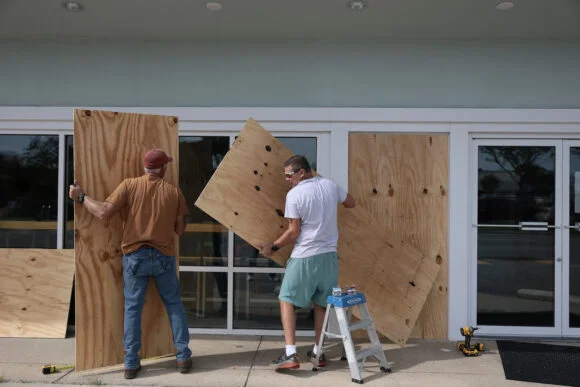
Meteorologist Robbie Berg labeled the situation as "life-threatening," reinforcing the need for immediate protective measures against rising waters and hazardous conditions. Early Friday morning, Pensacola residents were already feeling the effects, actively boarding up their properties and stockpiling sandbags. These actions illustrate a familiar yet distressing pattern for communities facing hurricane threats: the frantic race against time to safeguard homes. If you’re working in this space, you know that such moments can be both frightening and revealing, exposing both community resilience and the limitations of preparedness.
Given the storm’s volatile nature, the insurance industry is gearing up for an influx of claims. Adjusters are poised to mobilize quickly as the storm brings destruction. The financial ramifications for the insurance sector will likely be severe, especially as many claims could involve substantial losses from both wind and flooding, challenges insurers are all too familiar with.
Insurance Strategies in the Path of Destruction
As Isaias intensifies, major insurers like Mangrove Property Insurance Company are preparing strategies to address potential claims. With 3,900 policies underwritten in areas directly in the storm's path, Mangrove faces over $1.5 billion in exposure, according to Florida Office of Insurance Regulation data. Their strategy includes directing policyholders to document damage comprehensively and take preventive measures without compromising their safety. This preparation isn’t just proactive; it’s about managing what could become a flood (no pun intended) of claims in the aftermath.
On the ground, the implications for property insurance are significant. The NHC warns of flash flooding and possible tornadoes accompanying the hurricane. Notably, many properties may be severely underinsured for flood damage. The National Flood Insurance Program reveals that in Escambia County, only about 8% of residential properties are enrolled in the flood insurance program. In contrast, flood insurance is held by 62% of properties in top-risk areas designated by FEMA. This discrepancy raises a critical issue: many homeowners may be financially unprotected in the event of severe flooding and subsequent damage—even those who think they’re well-covered.
Vulnerability and Financial Exposure
Adding to the concern, Jeff Waters from Moody’s points out that the shallow seabed along the projected landfall zone increases vulnerability to catastrophic storm surges. This geographical factor amplifies the risk profile not just for homeowners but also for stakeholders across the real estate sector. If Isaias delivers on its threat, it could erode not just properties, but also the financial stability of entire communities. Moreover, Moody’s estimates that around 31,659 commercial properties, valued at approximately $72 billion, may experience damaging winds of at least 50 mph through the event. This includes nearly 15,000 multi-family homes valued at approximately $40 billion.
In sum, while Isaias's rapid intensification is alarming, the real challenge for property insurers and owners alike lies in assessing the extent of damages and claims in the storm's aftermath. The numbers here are underwhelming compared to the potential devastation ahead. Insurance adjusters will likely face a tough environment as they work to evaluate claims in a timely manner amidst widespread destruction.
Future Outlook: A Brewing Storm for Insurers
What this means for you—and the broader community—is a potentially turbulent recovery process. Once the storm passes, insurers will be left sifting through claims, likely facing high volumes of claims and disputes over loss assessments. The uncertainty of damage estimates could lead to protracted claims settlements. Moreover, the wider implications for the insurance market could lead to adjustments in premiums and policy offerings, especially in flood-prone areas.
And this is the part most people overlook: the long-term financial and emotional toll on affected residents may weigh heavily on the community for years. Those who find their homes uninhabitable or inadequately insured will face not just a financial reckoning, but also personal challenges that stretch well beyond monetary value.
It’s a cycle that invites skepticism about the preparedness of both homeowners and insurers alike, making it clear that while preparations are happening, the road ahead is fraught with challenges that may reshape how we think about hurricane preparedness and insurance in the future.
Discussion
Sign in to join the discussion.