Amica Insurance offers a complimentary Flume water leak monitoring system to select policyholders, aiming to mitigate costly water damage claims.
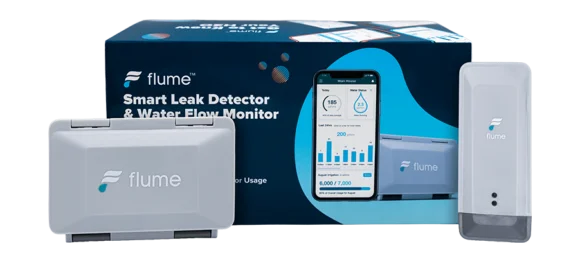
Amica Insurance has recently launched a water leak detection service for its homeowners, providing a proactive approach to risk management. Through a collaboration with Flume, a technology company specializing in water monitoring solutions, the insurer is now offering its home policyholders in California, Connecticut, and Rhode Island a complimentary Flume Smart Home Water Monitor.
Proactive Risk Management in Home Insurance
In a landscape where unexpected household damage can lead to massive financial losses, insurance companies are increasingly pivoting towards preventive measures. Amica’s water leak detection service exemplifies this shift, combining technology with customer service to preemptively tackle one of the most common issues faced by homeowners: water damage. By actively engaging policyholders in risk management, insurers are not just guarding against claims; they're also enhancing customer satisfaction and loyalty.
This device, which installs quickly on existing water meters, doesn't necessitate any plumbing alterations, making it accessible for users. The barriers to adoption are minimized, and in a market where many consumers are overwhelmed by complicated home technology, simplicity becomes a powerful selling point. Just plug and play. And by providing the equipment at no cost, Amica is lowering the financial threshold for policyholders to take advantage of this technology.
Comprehensive Monitoring Services
Along with the hardware, Amica will cover three years of monitoring services, enhancing its policyholders' capacity to address potential issues before they escalate. This aspect of the offering is particularly critical. It’s one thing to have a device that pinpoints leaks; it’s another to have ongoing support that encourages continuous monitoring and timely responses to alerts. Such services can potentially lead to a decline in claims, a win-win for both the insurer and the insured.
“By offering this service to our policyholders, we’re providing a simple, proactive way to identify potential water problems early,” remarked Ted Shallcross, Amica’s President and CEO. His statement reinforces the notion that the insurance industry is gradually moving away from traditional reactive strategies and is embracing a more holistic view of coverage. Other states may see their policyholders eligible for discounts on purchasing this technology, which could broaden the scope of this initiative as it grows in popularity.
The Financial Implications of Water Damage
Water damage stemming from issues like leaking faucets or burst pipes is a leading cause of claims within homeowners insurance, with the average claim exceeding $21,000. This staggering statistic emphasizes the financial risk homeowners face. Amica reports that approximately one in sixty policyholders experiences a non-weather-related water loss annually. It’s a concerning reality, and the data suggests significant room for improvement in how these risks are managed. The Flume system aims to reduce these statistics significantly, potentially altering the course of household financial planning for countless policyholders.
Recent studies indicate that homes equipped with Flume’s monitoring experienced a striking 60% decrease in the frequency of water damage claims and a 24% drop in their severity. This is compelling data for an industry often burdened by high-cost claims linked to water-related incidents. If those numbers hold true across a broader demographic, we could witness a fundamental transformation in both insurance underwriting practices and customer expectations surrounding home insurance.
State-of-the-Art Monitoring Technology
The Flume device provides around-the-clock monitoring of water usage, alerting homeowners via a mobile application about irregular patterns such as small leaks from faucets or major plumbing failures. This capability provides an essential layer of security against unexpected water damage, ultimately safeguarding not only property but also financial well-being. The integration of user-friendly technology into the insurance sphere speaks volumes about the future of consumer engagement in policy management.
Flume's partnership network extends beyond just home insurance companies, involving collaborations with water utilities and corporate entities. This multi-faceted approach amplifies the reach and effectiveness of their monitoring systems. Their technology is designed for simplicity and effectiveness, encouraging homeowners to take control over their water exposure risks without necessitating invasive installation processes. Here’s the thing: when consumers feel empowered to manage their risks, it opens doors to better risk assessment and pricing models for insurers.
Implications for the Insurance Industry
This initiative reflects Amica’s commitment to enhancing the value of its offerings while addressing consumer concerns around major household expenses. As water-related claims persist as a common concern in the insurance industry, preventive measures like this could transform how homeowners manage risks associated with their properties. The industry’s tendency to react rather than proactively manage risk is being challenged here. If successful, this program could serve as a model for other insurers looking to modernize their offerings.
This isn’t just about one company; it’s a signal of changing tides in the insurance sector. As competitors observe Amica's approach, they may feel compelled to emulate or innovate beyond similar initiatives. This could spur a wider trend toward the adoption of preventative technologies across various types of home risks, from fire to burglary. If you're working in this space, keep an eye on technological advances—it’ll be essential for staying relevant in this increasingly competitive market.
Ultimately, Amica’s strategy, in collaboration with Flume, can be viewed as both a business opportunity and a consumer safeguard. The jury is still out on how extensive the impact will be, but the implications for policyholders and the insurance industry at large could be profound.
Discussion
Sign in to join the discussion.