The Climate Prediction Center forecasts a 69% chance of an unprecedented El Niño event this fall and winter, impacting global weather patterns.
The US Climate Prediction Center has highlighted a significant shift in Pacific Ocean conditions, predicting a potential El Niño event that could exceed 76 years of historical records. Specifically, they’ve set a 69% probability for a notably strong occurrence during the October to December 2026 timeframe, which would surpass previous El Niños documented since 1950.
The Basics of El Niño: What You Need to Understand
To fully appreciate the implications of this forecast, it’s essential to grasp what El Niño is and how it operates. El Niño is a recurring climate pattern characterized by the warming of surface waters in the central and eastern Pacific Ocean. This phenomenon has wide-reaching impacts on global weather systems, often bringing unusual weather patterns like increased rainfall or drought conditions in different parts of the world. Understanding its historical context helps visualize what the future may hold.
Historically, El Niño events have played a pivotal role in influencing weather conditions. The 1997-1998 El Niño, often cited as one of the most intense in history, resulted in devastating floods and droughts in various regions and is often referenced in discussions about climate anomalies. With predictions suggesting this upcoming event could rival or exceed those conditions, attention must be paid to past trends to gauge potential future impacts.
Current Predictions and Their Implications
The organization’s forecast released recently indicates an even more pronounced implication: there's a greater than 90% chance that this El Niño will manifest as a very intense event in the Northern Hemisphere's fall and winter months of 2026-2027. Temperatures in July 2026 were reported to mirror those seen during the intense 1997 episode, which was among the most notable events in recent decades.
What’s particularly telling is the correlation between current sea surface temperatures and historical data. In July 2026, certain regions recorded temperatures that were 2°C (3.6°F) above average, while the central Pacific saw a rise of about 1.4°C. Such increases aren’t just numbers; they can precipitate shifts in atmospheric conditions that may lead to extreme weather patterns. This is more significant than it looks, as similar conditions have previously led to dramatic changes in climate patterns worldwide.
The Acceleration of Conditions
Since being declared in June, this El Niño phenomenon has been gathering momentum. Notably, surface temperatures in the Pacific surged by 2°C (3.6°F) above the average in certain regions and by 1.4°C above normal in the central Pacific, driven by unusually warm waters at depth. These conditions are likely to enhance the event's impacts as we head towards year-end.
The acceleration of temperature increases points to a potentially volatile climate configuration. If you're working in this space, the implications of an intense El Niño could affect industries ranging from agriculture to finance. Particularly vulnerable are agricultural sectors that depend heavily on seasonal weather patterns, as they may face disrupted growing seasons or crop failures. Moreover, coastal regions might experience more severe storms and flooding, further complicating an already precarious environmental situation.
Global Ramifications: What’s Next?
According to the World Meteorological Organization, as El Niño develops, regions including Western North America and Southern Europe can expect above-normal temperatures, while countries such as India, Australia, along with areas in the Caribbean and Central America may experience drier conditions leading up to October. This dip in precipitation and rise in temperature can exacerbate existing water shortages and contribute to heat waves that people grapple with regularly.
What's alarming is that these impacts could be interwoven with other climate challenges, such as rising sea levels and increasingly erratic weather phenomena. As communities brace for hotter and drier conditions, the interplay between El Niño and broader climate change must be scrutinized. (And this is the part most people overlook: the interconnectedness of these systems can produce unpredictable outcomes that extend beyond just temperatures and rainfall.)
Looking Ahead: Persistence and Economic Considerations
Looking further ahead, the Climate Prediction Center has stated there’s a 100% certainty that El Niño will persist through March and a 97% likelihood it will extend into April. This compelling forecast underscores the importance of monitoring El Niño’s progression, as its effects on global weather could be pivotal in both environmental and economic contexts.
While the immediate focus is on the next few months and the heightened weather risks they bring, the long-term economic implications could be substantial. For instance, significant weather anomalies can disrupt supply chains, inflate food prices, and strain global markets—all of which are critical considerations for policymakers and businesses alike. Understanding these dynamics is important for preparing for not only the winter of 2026-2027 but for the broader challenges posed by climate resilience and adaptation strategies in a warming world.
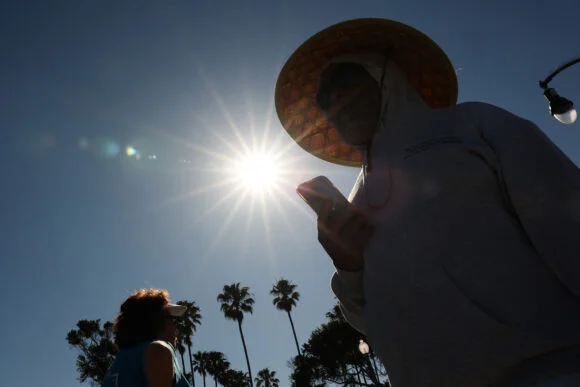
Photographer: Patrick T. Fallon/AFP/Getty Images
Discussion
Sign in to join the discussion.