The CDC reports a surge in Salmonella infections linked to jalapeño peppers, now totaling 431 cases with ongoing investigations.
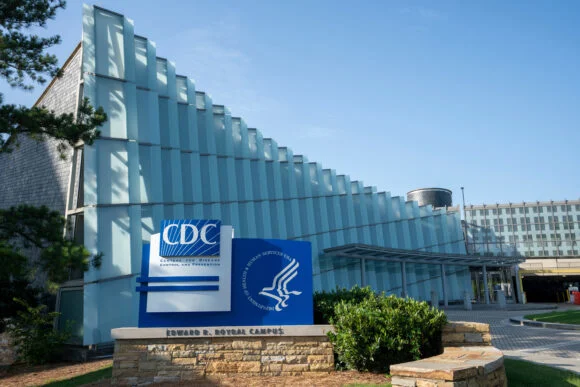
Surging Salmonella Cases: A Developing Concern
The Centers for Disease Control and Prevention (CDC) has reported a significant increase in Salmonella infections associated with jalapeño peppers, reaching 431 cases across 32 states. This marks a rise from the 345 cases reported just earlier this month. Such a sharp uptick should raise red flags across restaurants, food distributors, and consumers alike, highlighting inherent vulnerabilities in the food supply chain.
The Current Outbreak's Scope and Background
As of August 19, the CDC has confirmed 431 infections and 57 hospitalizations with no fatalities linked to the outbreak. The illnesses are tied to a specific strain, Salmonella javiana, with symptoms surfacing between June 19 and August 2. The increasing numbers suggest that foodborne illnesses remain a persistent public health issue, especially as they often go unreported or undetected until significant clusters emerge.
Salmonella serves as a reminder of the complexities within food safety protocols. Each year, it leads to over 1 million illnesses in the United States, as the CDC estimates, underscoring its status as a widely prevalent foodborne pathogen. This category of issue often resonates with concerns about how food is sourced, handled, and marketed. There's a growing awareness around the potential for outbreaks in foods traditionally considered safe, which can have far-reaching implications for public health and consumer trust.
Source and Distribution of Contaminated Produce
The contaminated peppers, sourced from Sinaloa, Mexico, were distributed by Coast Citrus Distributors. As food supply chains increasingly globalize, the origin of the produce becomes critical to diagnostics and interventions. The CDC highlighted that a notable 91% of affected individuals dined at Mexican-style restaurants before falling ill, many naming establishments like Chipotle and QDOBA. This points not just to a specific ingredient but also to larger systemic issues in food sourcing and restaurant supply chains.
In response to the outbreak, Chipotle has altered its jalapeño supplier, while QDOBA has eliminated jalapeños from its menu. These actions could reflect an immediate attempt to distance the brands from the outbreak, reinstating consumer confidence in the safety of their food. Yet, there's an underlying worry: changing suppliers or removing ingredients may not fully fix issues related to sourcing and food safety oversight. It's not just about who you get the food from but also how it is handled once it arrives at the restaurant.
Salmonellosis and Its Impact on Public Health
Salmonella bacteria are responsible for salmonellosis, a prevalent foodborne illness characterized by symptoms such as diarrhea, fever, and abdominal cramps. While the symptoms are generally self-limiting, the presence of 57 hospitalizations is troubling. Hospitalization can indicate severe reactions, especially among vulnerable populations such as the elderly, very young children, or immunocompromised individuals.
The impact of outbreaks like this can extend beyond immediate health consequences. They lead to shifts in consumer behavior, as reports of illness can deter patrons from dining at affected establishments. This can hurt business profitability and brand reputation in the long term. For restaurants like Chipotle and QDOBA, there may always linger a cloud of distrust in the wake of such incidents, affecting sales even after the outbreak has been dealt with.
Ongoing Food Safety Challenges
In parallel, U.S. health officials are also examining an outbreak of cyclosporiasis linked to lettuce from Taylor Farms, emphasizing ongoing challenges in food safety. It’s increasingly clear that foodborne illnesses often overlap in pathogens and sources. One outbreak can lead to scrutiny of numerous suppliers and food handling protocols, revealing systemic flaws that can contribute to multiple incidents across different products.
Understanding these challenges is critical for all stakeholders in the food supply chain. Businesses often adopt short-term solutions, like changing suppliers quickly to manage immediate repercussions. But these aren’t substitutes for lasting reforms focused on safety regulations and supplier transparency. The food industry must reflect on these patterns, enhancing safety measures long before the next outbreak occurs, particularly as consumers become more health-conscious and skeptical about the integrity of their food sources.
The Implications Ahead
What this means for you as a consumer or a professional in the food service industry is simple: the stakes are high. Rising illness rates and ongoing scrutiny from health officials mean it’s now more important than ever for businesses to prioritize safety in their operations.
And yet, systemic change takes time, which could leave openings for potential outbreaks even as companies scramble to address existing issues. The likelihood of more regulations or stricter oversight from health officials might be on the horizon, spurred on by a wave of consumer demand for reassurances about food safety.
(And this is the part most people overlook). The future of food sourcing, distribution, and consumption will hinge not just on protecting profits but also on restoring consumer trust—a complex problem that requires a committed response from all corners of the food industry.
Related: FDA Urges Sanitation, Supplier Checks to Curb Fresh-Cut Produce Contamination
Related: Taylor Farms Outbreaks Show Limits of US Ability to Safeguard Mexican Produce
(Reporting by Sneha S K in Bengaluru; Editing by Diti Pujara)
Discussion
Sign in to join the discussion.