Learn how obtaining safety certifications can open doors to $30/hour jobs in the shipbuilding industry, without the need for a four-year degree.
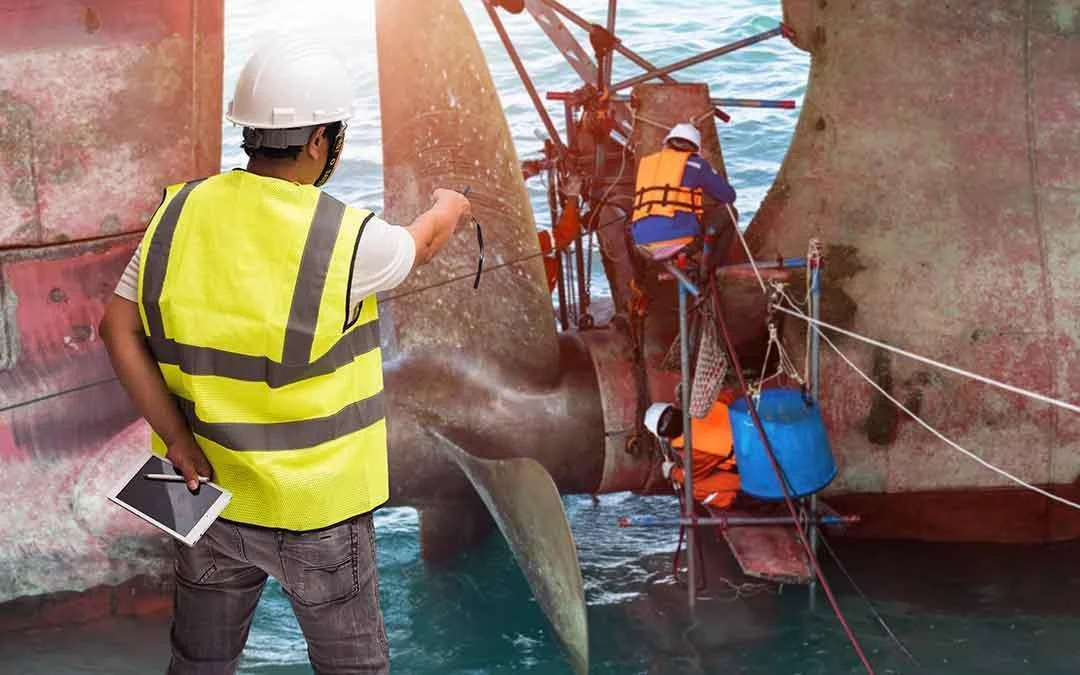
The marine and shipbuilding industry offers lucrative job opportunities that often go unnoticed in discussions about well-paying careers that don't require a four-year degree. With starting wages for entry-level shipyard laborers ranging from $22 to $30 per hour, those who specialize in areas like welding or rigging could see their earnings surge to $35 to $45 per hour. Additionally, with consistent overtime, first-year workers can expect to bring in between $60,000 and $80,000 annually. These figures highlight the compelling financial prospects for individuals entering this field, but they also underscore a broader trend: the demand for skilled labor in sectors that traditionally don't require a college diploma is on the rise.
Barriers to Entry: Safety Regulations
However, entering this field isn't as straightforward as just showing up and starting work; employers are stringent about safety regulations. Federal standards mandate that shipyards require proof of safety training before hiring any new workers. The emphasis on safety isn't merely bureaucratic red tape—it's a necessary approach to protect workers in an industry known for its hazards. The marine environment poses numerous risks, from heavy machinery accidents to exposure to hazardous materials, making compliance with safety regulations essential.
If you're working in this space, understand that safety certifications can drastically determine your employability. Employers want to ensure their workforce is prepared for the dangers they'll face daily, which means newcomers must be equipped with the right training before they even set foot on a shipyard floor. This focus highlights a significant pivot within industries like marine and shipbuilding: the move from accessible entry-level positions to roles requiring specific certifications, which are pivotal for career growth.
The Importance of OSHA Certification
For newcomers, the OSHA 10-Hour Maritime course is a straightforward way to gain necessary qualifications. This brief course covers essential safety principles, including risk identification, the use of personal protective equipment (PPE), fall prevention, and working in confined spaces. Completing this course earns you an official OSHA card, which is crucial for demonstrating your safety awareness to potential employers in the shipbuilding sector. But, there’s more. Safety certifications not only serve as proof of competency but also indicate a candidate's commitment to workplace safety, which is increasingly important to employers looking to mitigate risks and enhance productivity.
Beyond entry-level opportunities, those aspiring to more lucrative safety leadership positions should consider the OSHA 30-Hour Maritime course. This program provides an in-depth understanding of site safety rules and hazard management. Gaining this certification enhances a candidate’s attractiveness to employers, as it reduces the need for basic training expenses, allowing companies to save on costs and time. The reality is that companies want candidates who can hit the ground running—those with already established safety credentials can be onboarded more efficiently.
Cost of Non-Compliance
This emphasis on safety certification stems from the substantial financial implications companies face when hiring uncertified workers. Federal penalties can quickly accumulate into tens of thousands of dollars for each violation regarding safety standards. Tight project timelines further complicate matters, as any delays due to staffing shortages can lead to significant financial losses for the company. Hence, applicants who already possess an OSHA card are prioritized, as they minimize compliance risks and can start contributing to projects immediately. This urgent need for certified workers reflects a wider industry trend where compliance is intricately linked to profitability.
Time vs. Cost: Choosing Certification Over Degrees
When it comes to time and money, the math is clear—pursuing OSHA certification is far more efficient compared to traditional college degrees. While a typical degree requires four years and can incur substantial debt, obtaining an OSHA marine safety card takes only two days. Many certified trainers even offer virtual sessions, including flexible options like evening or weekend classes, enabling participants to complete the course while maintaining their current employment. This flexibility makes obtaining certification a savvy choice for those already in the workforce or looking to transition without sacrificing financial stability.
Future Outlook: Opportunities and Considerations
After acquiring your OSHA certification, you can start applying to local shipyards, marine repair companies, and staffing agencies. If you’re looking to earn $30 or more per hour without incurring debt, gaining safety certification could be one of the most practical choices available. The demand for skilled workers in marine-related fields continues to rise, driven by a growing focus on maritime safety and compliance. Applicants who take the initiative to gain certifications will likely find themselves more competitive in the labor market.
And yet, there are always considerations to keep in mind. This is more significant than it looks—not just the immediate financial benefits, but also the long-term career trajectories available with ongoing safety education and specialization. Those who invest in their skills now might well find more stable and higher-paying positions in the future, as this sector evolves.
So, what’s the takeaway? The marine and shipbuilding industry may not frequently feature in discussions about high-paying careers, but it offers a viable alternative for those looking to avoid the traditional college route. The strategic prioritization of safety certifications lays the groundwork for a more competent, compliant workforce ready to meet the challenges of maritime work. This industry’s trajectory appears promising for those willing to navigate the necessary training and certification hurdles.
Discussion
Sign in to join the discussion.