Tesla is recalling nearly 3 million vehicles in China due to safety risks associated with door handles, part of a larger industry-wide response affecting 4 million cars.
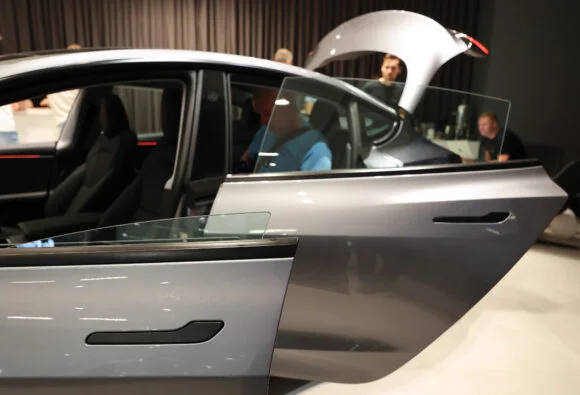
Major Recall in Response to Door Handle Safety Concerns
Tesla Inc. is leading a substantial recall initiative alongside at least eight other automakers, targeting safety issues related to door handles across millions of vehicles in China. This extensive recall process aims to mitigate safety flaws that have previously resulted in vehicle entrapment incidents and tragic fatalities. The seriousness of this recall underscores a critical moment for automotive safety standards, raising questions about design priorities versus user safety.
Scope of the Recall
In total, over 4 million vehicles are caught up in this safety crackdown, marking one of the largest recall efforts in China's automotive history. Tesla's share stands out, with just under 3 million of its electric vehicles (EVs) included in the latest recall announcement, highlighting the significant reach of this safety measure. Given that China is one of the largest automotive markets worldwide, the impact of such a sweeping recall reverberates well beyond a mere financial recalibration — it reflects a growing scrutiny of product safety across the automotive sector.
Details of the Safety Issues
The recall stems from safety concerns regarding Tesla's electrically controlled door handles, which may fail during crash scenarios, preventing occupants from exiting the vehicle quickly. This malfunction has been flagged by China’s State Administration for Market Regulation, as it poses considerable safety hazards in emergencies. As part of the corrective action, Tesla plans to implement software updates designed to automatically lower windows post-accident. Additionally, new warning labels will be introduced to clearly show the location of emergency door releases, which might serve as a critical lifesaving feature during a crisis. Unfortunately, this does raise concerns about why such features were not prioritized initially. Aren't these integrations basic safety considerations in vehicle design?
Previous Incidents Highlighting the Risks
Documents and reports have revealed that vehicles utilizing flush, electric door handles have led to several troubling incidents. Stories of occupants becoming trapped after losing power, particularly following accidents, have emerged prominently. Tragically, some individuals survived high-speed collisions only to become victims of fires, unable to exit their vehicles due to the door malfunction. Research indicated at least 15 fatalities reportedly linked to these failures, fueling ongoing debates about institutional safety protocols and the design decisions made by CEO Elon Musk, who has faced internal dissent regarding these designs. (And this is the part most people overlook: the balance between technological advancement and basic human safety.)
Broader Market Context and Regulatory Responses
China's growing focus on automotive safety comes in light of recent incidents involving vehicles from manufacturers like Xiaomi Corp. This prompted the nation to take unprecedented steps by becoming the first in the world to ban concealed door handles in electric vehicles earlier this year. In an environment where domestic automakers are rapidly developing vehicles, this regulatory shift reflects a determined effort to harmonize safety standards with technological progress. The trend isn't just about immediate safety; it's about establishing a framework that prioritizes consumer protection while maintaining innovation. If you're working in this space, you'll need to watch how these regulations shape the market.
Specifics of Other Recalls
Aside from Tesla's extensive recall, Xiaomi is pulling back 390,435 of its SU7 electric sedans, while Zhejiang Leapmotor Technology Co. Ltd. is recalling approximately 371,200 vehicles. The cumulative impact from these recalls brings the total to around 4.27 million electric vehicles responding to door handle-related safety risks. This massive recall wave illustrates a crucial shift in how manufacturers address safety shortcomings. While it represents a compelling call to action for producers, it also shows a reactive rather than proactive approach to consumer safety. That said, it’s a reminder to all automakers that consumer trust is only as strong as their commitment to safety.
Additional Actions by Tesla
Recently, Tesla also initiated a separate recall affecting about 2.7 million vehicles to enhance monitoring of drivers relying on its driver-assistance technology. This move aims to ensure compliance with traffic regulations while mitigating collision risks. However, it’s telling that Tesla is now facing scrutiny on multiple fronts concerning safety. One has to wonder how many of these recalls arise from rushed innovations or lapses in thorough safety assessments. The correlation between rapid technological deployment and safety in vehicles is starting to tug at the industry’s conscience.
Regulatory Developments in the U.S.
In parallel, U.S. regulators are stepping up oversight due to this wave of recalls. The National Highway Traffic Safety Administration is currently investigating certain Tesla Model Y vehicles following complaints about door-related entrapments. Legislative momentum is also building around advocating for mandatory manual door releases in new vehicles, with the goal of enhancing access for first responders in the event of power failure. This potential regulatory development could become a pivotal change for vehicle manufacturers, pushing them to rethink their approach to door designs altogether.
Implications for the Automotive Industry
The extensive recalls impacting numerous automakers signal a fundamental shift in the industry. Manufacturers may find themselves under increasing pressure to not only innovate but also ensure safety as a non-negotiable element of design. Adapting to stricter regulations could drive the industry to prioritize safety engineering to avoid public backlash and maintain consumer confidence. The fallout from these recalls could foster a more cautious approach to design and engineering across the board. In a world where consumer trust is fragile, maintaining a transparent and responsible attitude toward safety might prove more critical than ever.
Image Source: Tesla Model 3 door handles at a pop-up store in Riga, Latvia, August 21, 2026; photo by Andrey Rudakov/Bloomberg
Discussion
Sign in to join the discussion.