An oil spill off Qeshm Island highlights escalating environmental risks linked to recent maritime conflicts in the Persian Gulf region.
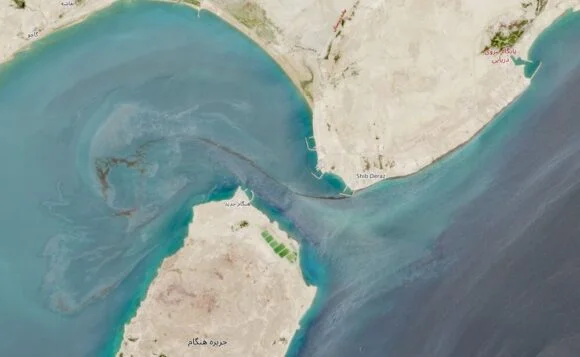
Iran is facing a significant environmental challenge with an oil spill affecting areas off Qeshm Island, bringing to light the precarious situation resulting from recent maritime conflicts in the Persian Gulf. Satellite imagery has revealed a dark, patterned trail in the waters near the village of Shib Deraz, an important habitat for endangered hawksbill sea turtles. Reports confirm that cleanup efforts are in progress.
The Broader Context of Environmental Risks in the Persian Gulf
This situation isn't an isolated incident; it's part of a bigger picture that involves geopolitical strife, particularly between Iran and the U.S. Oil spills in the Persian Gulf contribute not just to immediate damage, but also highlight the vulnerabilities of marine ecosystems and fisheries. The Gulf is an ecological treasure trove, home to vital species and critical habitats. The hawksbill sea turtles affected by this spill rely on clean waters for nesting and feeding, making the environmental ramifications of these spills particularly alarming.
Moreover, the ongoing tensions in the region exacerbate these ecological challenges, serving as a wake-up call about the impacts of conflict on environmental health. As geopolitical stakes rise, it's the marine ecosystems that often bear the brunt, with oil spills becoming an unfortunate side effect of maritime disputes.
Incidents of Maritime Conflict and Their Impact
The environmental threat posed by oil spills in the Gulf has intensified due to multiple attacks on tanker vessels amid the ongoing five-month conflict between the U.S. and Iran. According to the International Maritime Organization, there have been 65 recorded incidents affecting shipping in the Strait of Hormuz and surrounding waters since March, raising concerns about the safety and security of these vital shipping lanes.
Shipping in the Strait of Hormuz is critical, as it serves as a conduit for a significant portion of the world’s oil supply. When security is jeopardized, the repercussions are felt far beyond the immediate vicinity; global oil prices can fluctuate, supply chains can be disrupted, and international relations can become increasingly strained. The shipping industry is already grappling with issues like piracy and regional conflicts, and now environmental concerns are being added to this volatile mix.
Response Efforts and Investigations
While the Iranian Students' News Agency has yet to establish the exact source of the pollution, response teams are actively deploying absorbent materials to manage the spill. Notably, TankerTrackers.com Inc. has linked the spill to a recent Iranian offensive against a bulk carrier earlier this month, suggesting a direct cause behind the environmental impact.
What this means for you, if you're involved in environmental advocacy or maritime logistics, is that the stakes are continually rising. Clean-up efforts often lag behind when regions are under conflict, and the ecological rehabilitation of affected areas can take years, if not decades. Irrespective of their cause, oil spills strike at the heart of not just environmental sustainability, but also public health and local economies that depend on marine resources.
Heightened Regulatory Climate and Shipping Routes
Amidst this crisis, Tehran has mandated specific shipping routes for vessels navigating the strategically essential Strait of Hormuz, instructing them to pass between Qeshm and Larak islands. The region remains a focal point of tension, with Qeshm facing multiple U.S. airstrikes throughout the conflict.
This directive is an interesting development. By focusing vessel traffic through defined lanes, Iran may be attempting to mitigate risks associated with potential maritime conflicts. However, the long-term effectiveness of these measures is questionable, especially in a context where military engagements can escalate rapidly. There's a risk that these prescribed routes could become targets rather than safe passages, especially if tensions increase.
Implications and Future Outlook
The spill in Iran coincides with a similar environmental issue unfolding in Oman, where authorities respond to an oil slick near its coast, attributed to a grounded tanker. This area, akin to Qeshm, houses a diverse range of marine life, such as turtles, dolphins, and whales, further amplifying the ecological implications of these incidents.
These events collectively illuminate a troubling trend — the intersection of environmental risk and geopolitical tension. The immediate response of authorities in both Iran and Oman will be crucial, but what happens next could set a precedent for how environmental matters are handled amid political unrest. If regional conflicts continue to compromise environmental safety, the implications for marine biodiversity and public health could be severe.
And this is the part most people overlook. While governments and international organizations may call for swift action after an incident, the root causes — conflict, insecurity, and inadequate regulatory frameworks — remain unaddressed. Without a comprehensive strategy to prevent these incidents, the cycle of environmental degradation may well continue.
In summary, the oil spill near Qeshm Island is a grim reminder of the fragility of the region’s marine ecosystems amidst rising geopolitical tensions. Those monitoring these developments should be mindful not just of the cleanup efforts but also of the larger implications for the environment, global oil markets, and the broader geopolitical landscape.
Photograph: Satellite imagery illustrates the oil slick near Shib Deraz, Qeshm Island; Source: Copernicus Sentinel/ESA via Bloomberg
Discussion
Sign in to join the discussion.