The U.S. Chemical Safety Board has urged U.S. Steel to implement new safety protocols to prevent future explosions after a deadly blast in 2025.
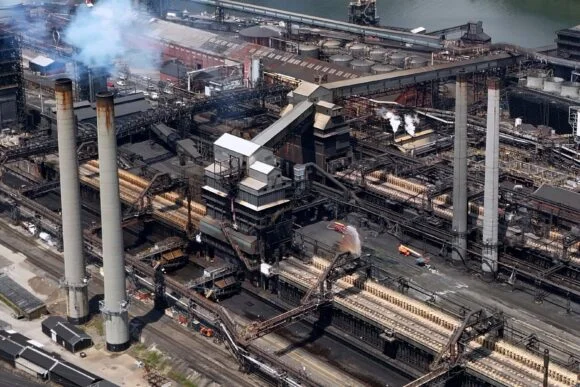
A federal safety board has recommended critical changes in operational procedures at U.S. Steel's Clairton Coke Works following a tragic explosion in August 2025 that resulted in the deaths of two workers and injuries to eleven others. This incident, which occurred during routine maintenance involving gas valve flushing, revealed concerning lapses in safety protocols and equipment standards.
Incident Background and Findings
The U.S. Chemical Safety and Hazard Investigation Board (CSB) found that the explosion originated from a pressurized gas valve rupture while workers were using water to flush it—a practice that lacked formal safety procedures. U.S. Steel acknowledged that the blast was precipitated by the valve's failure, which released combustible coke oven gas throughout the facility, the largest of its kind in the Western Hemisphere. The absence of established safety guidelines around such a potentially hazardous operation raises serious questions about the company's oversight and risk management capabilities.
Following the explosion, the Occupational Safety and Health Administration (OSHA) cited U.S. Steel with violations amounting to $118,214, issuing ten citations that highlighted deficiencies in the company's maintenance practices and safety documentation. OSHA's findings pointed to outdated training methods and insufficient procedural frameworks for safely managing equipment. The gap in safety standards not only jeopardizes worker safety but also reflects on corporate governance—if a company fails to invest in preventive measures, it stands to lose more in the long run.
Recommended Safety Protocols
The CSB called for the creation of comprehensive written safety protocols detailing how to safely flush valves with pressurized water to mitigate operational risks. This recommendation isn't merely bureaucratic. Implementing such protocols can drastically reduce the likelihood of accidents in high-risk environments like Clairton. Furthermore, the board emphasized that contractors engaged in similar tasks, such as washing piping systems, must also establish formal safety guidelines and employee training in hazardous operations. This speaks to a fundamental principle in industrial safety: comprehensive training can help ensure that even routine tasks are executed without incident.
Historical Context of Safety Culture
Importantly, the report criticized U.S. Steel's historical practices. It surfaced that for over three years leading up to the incident, employees had employed pressurized water to clean valve seats without a formal, recognized procedure, indicating a systemic issue within the company's safety culture. Sylvia Johnson, a CSB board member, remarked that this pattern of incorrect practices over an extended period culminated in the catastrophic event. If you're working in this space, you know that such disregarded protocols can translate into tragic outcomes—this isn’t simply an oversight but points toward an ingrained complacency that can be even more dangerous.
Critical to understanding the blast's impact was the age of the failed valve—over 70 years old and constructed from cast iron, which is considered brittle and unsuitable for certain hazardous applications. Safety publications frequently caution against using cast iron in environments dealing with flammable substances, adding another layer of negligence to the incident. Older infrastructure, combined with modern workloads, requires a proactive reevaluation of materials used, as this can spell the difference between safety and disaster.
The Human Cost
Many of the victims were located in proximity to the coke oven gas piping. Drew Sahli, the lead investigator for the CSB, noted that the consequences might have been less severe if these structures had been positioned farther away from dangerous materials. The implications here extend beyond mere guidelines; they enforce the need for thoughtful design in industrial settings, where every square foot can have dire consequences for human safety. (And this is the part most people overlook.)
Previous Safety Incidents
The Clairton plant, prior to the explosion, had a troubling safety record, documented with previous accidents and explosions. Reports from workers indicate that chronic underfunding and poorly managed operations have exacerbated both safety risks and air pollution issues tied to the facility. These concerns were highlighted in previous legal confrontations with Allegheny County regulators, citing repeated violations of environmental legislation. The ongoing dialogue surrounding these systemic safety issues is crucial, not only for current employees but also in determining U.S. Steel's long-term viability in a more scrutinous regulatory environment.
Implications and Future Outlook
The CSB report also referenced a similar explosion at Clairton that occurred in July 2010, which injured numerous individuals and raised questions about U.S. Steel's follow-through on the evaluation of safety practices across its operations. Notably, the board indicated that the company failed to conduct a facility siting evaluation to reassess safety risks after the earlier incident. This lack of follow-up is alarming and suggests a pattern that could lead to further tragedies if not adequately addressed.
In the wake of this recent report, the imperative for U.S. Steel to reinforce its safety culture has never been more urgent. Stakeholders within the industry will be closely monitoring how the company addresses these recommendations in the following months, particularly regarding its operational integrity and commitment to worker safety. If the company can implement these safety protocols effectively, it may not just save lives; it could also rebuild some of the trust that's been eroded among regulators and the public.
Image: A portion of Clairton Coke Works, U.S. Steel plant, seen on August 11, 2025. (AP Photo/Gene J. Puskar, File)
Discussion
Sign in to join the discussion.