Major Fraud Case Consequences: Christopher Herwig Sentenced to Two Years Amidst Lindberg's $2 Billion Scheme
Published Aug 14, 2026Views 524By William Rabb
Christopher Herwig received a two-year prison sentence for his role in Greg Lindberg's massive fraud, which misappropriated over $2 billion in insurance reserves.
Cooperation Leads to Sentencing in Major Fraud Case
Christopher Herwig, once a key figure in the operations of Greg Lindberg's insurance empire, has received a two-year prison sentence following his cooperation with federal prosecutors. This decision signifies a noteworthy consequence stemming from one of the biggest fraud schemes in U.S. history. Herwig had been involved as the chief investment officer at Lindberg's Eli Global, and his involvement extended deep into the fabric of Lindberg’s illicit activities, revealing how interconnected such financial networks can be when malfeasance is at play.
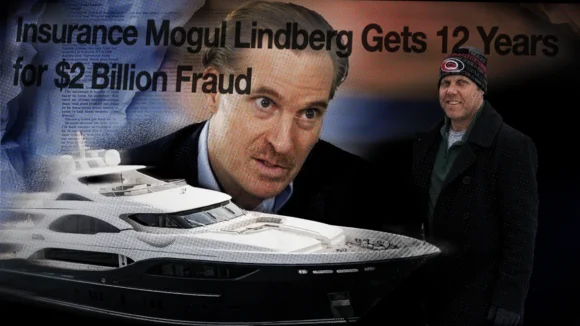
As part of the concluding judgments on this high-profile case, the federal court also mandated that Herwig forfeit $842,000. The context surrounding his sentencing is grim; Lindberg had previously been found guilty of attempting to bribe a state insurance commissioner and orchestrating the misappropriation of over $2 billion in insurance company reserves. His lavish expenditures funded a lifestyle that most could only imagine, including a 214-foot yacht and several mansions. Now, Lindberg is serving a 12-year term in federal prison—a cautionary tale that few in the financial sector will soon forget.
Herwig's Remorse and Cooperation: Genuine or Calculated?
What’s striking is Herwig's remorseful stance since his indictment. Documented in his court filings, he has expressed regret and has actively cooperated with the investigation following his December 2022 conviction. His cooperation raises an essential question: did it stem from sincere regret, or was it merely an attempt to curry favor with the court for a more lenient sentence? This skepticism over the authenticity of his remorse is not unwarranted given the circumstances; every step of the judicial process was carefully calculated.
Prosecutors' decision to delay sentencing recommendations until after Lindberg's trial concluded implies a strategic timing in the judicial timeline, potentially aligning with Herwig's ongoing cooperation. This delay could be seen as a tactical maneuver to maximize the pressure on Lindberg while weighing the value of Herwig’s testimony. Such considerations are common in fraud cases, where the judicial system often employs cooperation agreements as bargaining chips.
Shifting Perceptions of Lindberg’s Operations
Herwig’s sentencing memorandum highlighted his reflections on Lindberg’s operations. Initially, he perceived the business ventures as sound until Lindberg deviated from established practices in 2016. This points to a significant shift that underpinned the eventual collapse of trust and integrity within their operations. Suddenly, the changes in investment strategies set off alarm bells for Herwig, who later described himself as being “swept into the vortex” of Lindberg’s schemes. Such metaphors are critical—they paint a picture not just of personal complicity but also suggest an overwhelming sense of entrapment that can ensnare even those with expertise in finance.
According to Herwig, Lindberg exerted pervasive control over a convoluted network of insurance companies and related entities. The ease with which one individual could manipulate such a complex web raises troubling questions for investors and regulators alike. If those at the top can so easily bypass ethical standards, what does that say about the checks and balances intended to safeguard against financial impropriety?
The Scale of Malfeasance: Industry Implications
In court, Herwig admitted to facilitating various fraudulent transfers and misrepresentations, adding another layer of complexity to an already intricate scenario. His confession paints not just a picture of complicity but indicates he was manipulated by Lindberg, who orchestrated this elaborate façade. The scale of Lindberg's operations raises broader concerns about oversight within the insurance industry. Similar cases often prompt regulatory reviews, and this situation is no different.
The scrutiny Lindberg faced from U.S. District Judge Max Cogburn underscores the difficulties that courts encounter when assessing high-profile fraud cases. Judge Cogburn’s questioning of Lindberg’s motivations in seeking restitution adds another layer of complexity. Following a prolonged legal battle, Lindberg’s attorneys claimed he had refunded significant sums to victims. However, a court-appointed expert revealed a staggering discrepancy: Lindberg still owes over $1.6 billion to his victims—a figure Lindberg vehemently disputes.
This mismatch illustrates an underlying truth about financial accountability; one can claim restitution while remaining fundamentally short on delivering real relief to those harmed. The gap between claims and actual restitution complicates public and legal perception alike, casting shadows over Lindberg and anyone associated with him, including Herwig.
Broader Industry Implications and Future Considerations
The interplay of cooperation, regret, and the financial fraud that defines this case should serve as a cautionary tale. For those watching in the insurance sector, this situation underscores the importance of ethics in corporate governance and the enduring impacts of criminal manipulation in financial systems. Investors and regulators alike must consider how such fraudulent activities can compromise entire industries.
What this means for you, if you're working in this space, is that vigilance is paramount. Ethical lapses aren't just individual failures; they can trigger systemic consequences that ripple throughout the financial ecosystem. This could lead to stricter regulations and heightened scrutiny moving forward—both critical in a landscape where trust is the foundation of financial operations.
As this case unravels, the implications stretch far beyond just the individuals involved. It’s a wake-up call for regulatory bodies to reinforce mechanisms that prevent such fraudulent behavior, ensuring that oversight becomes more than a mere formality, but rather an active defense against deception in finance. There’s much at stake, and the eyes of the industry will remain watchful.
Discussion
Sign in to join the discussion.