Daily cleaning and extra checks keep busy shared spaces presentable, hygienic, and safe. Adjust deeper cleaning to building use and conditions.
cleaning services for property management can take on work such as carpet care, hard surface floor care, and food service sanitation. The split should be clear enough that recurring duties don’t fall between teams. If you’re working in this space, define who handles each task and when; a general expectation that “someone will take care of it” isn’t a schedule.
Daily cleaning, with extra checks in busy areas
Once a day is a reasonable baseline for common areas. Spaces that see heavy use may need cleaning several times throughout the day, typically by the in house janitorial team. That doesn’t mean every surface needs a full clean after each rush. It does mean teams should identify the areas that deteriorate fastest and check them often enough to respond before conditions become a complaint or a hazard.
The entrance and reception area merits particular attention. It often gets the most foot traffic and is the first part of the building customers see. A full cleaning may not be practical every time dirt accumulates, but regular checks and quick tidy ups can keep the space presentable. A messy welcome area can leave a poor first impression before a conversation even begins. This is more significant than it looks: dirt tracked inside also reaches floors and corridors, so attention at the entrance can reduce the spread of mess through the building.
Daily attention belongs where people gather
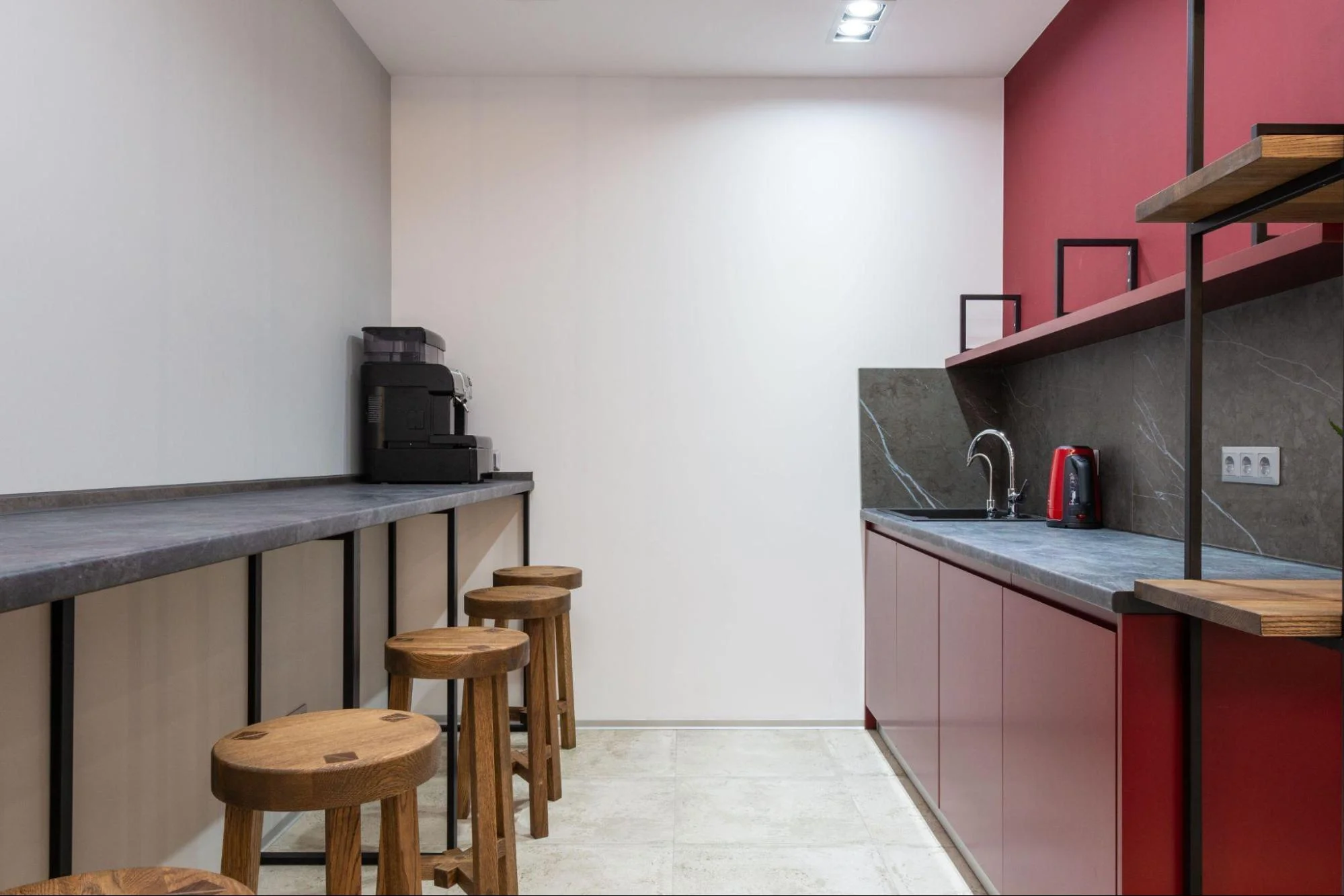
Food areas and break rooms need a daily clean, with a full pass scheduled before opening or after closing. Smaller jobs can fit into quieter stretches; emptying bins every few hours, for example, helps keep these shared spaces usable throughout the day. Counters and tables also need attention, since visible crumbs and spills can make a room feel neglected even when the floor looks clean. The aim is a routine that supports use throughout the day, not a single clean that leaves the room to deteriorate until the next morning.
Washrooms need the same routine attention. Clean toilets, sinks, floors, and mirrors at least once a day, then check supplies during the day and refill toilet paper, hand towels, and soap as needed. A washroom’s condition can change quickly with use, so supply checks matter alongside cleaning. When supplies run out, the room may be technically clean but still difficult for people to use.
Set a deeper-cleaning cadence
Corridors and stairs may need daily vacuuming or mopping, but a deeper clean can happen weekly or every two weeks, depending on conditions. High surfaces, light fittings, and vents also suit a weekly schedule in many buildings. If dust and debris build up quickly, clean them more often. These less frequent tasks are easy to overlook precisely because they don’t demand attention every day; putting them on a calendar makes them easier to track.
The right interval depends on the building. A fixed schedule can be a useful starting point, but it needs to reflect how the space is actually used. A task list that’s reviewed against observed conditions can show whether the interval is working. Too much cleaning can consume time needed elsewhere, while too little allows dirt and wear to accumulate.
Let conditions set the frequency
Foot traffic is a practical guide: a busy office serving employees and customers will usually need more frequent cleaning than a workplace used by a small team. Building type matters too. Healthcare, food service, childcare, and educational facilities often face stricter cleaning standards and regulations than a typical office. The article’s key point is that one timetable won’t fit every property; the people, activities, and surfaces in each space shape the work.
Seasonal conditions can change the workload. Winter rain and snow bring water and dirt indoors, raising both cleanliness and slip risks. In factories and warehouses, recurring oil or grease spills call for regular cleanup as part of basic health and safety. And yet, seasonal adjustments only help if someone notices the change and updates the routine. A schedule left untouched can quickly stop matching the conditions on the floor.
Make the schedule verifiable
A useful cleaning plan lists each room, its required tasks, and how often each task should be done. Include a place for cleaners to sign off when work is complete. That record makes missed tasks easier to spot and gives the team a clear account of what has been done. It can also help managers see where the routine needs adjustment, especially when the same area repeatedly needs extra attention.
Here’s the thing: a schedule is only useful if it reflects what people actually encounter in the building. Review it when use patterns or conditions change, and give staff a clear way to report recurring problems. (And this is the part most people overlook.) Consistent checks make the plan accountable. Small, repeatable tasks.
Discussion
Sign in to join the discussion.