Axa anticipates losing its partnership with Banca Monte dei Paschi as Italian banking consolidation increases, potentially impacting its financial outlook.
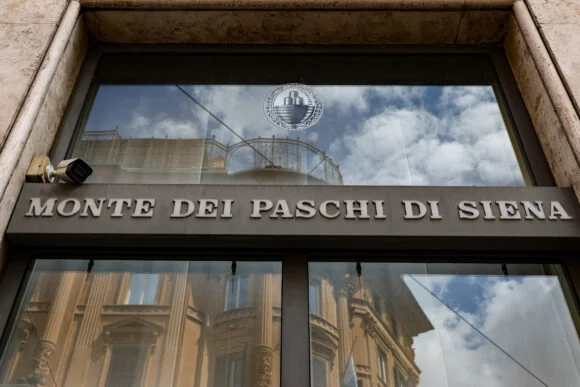
Axa SA is preparing for a possible termination of its distribution agreement with Banca Monte dei Paschi di Siena SpA, which may be affected by an impending takeover bid from Intesa Sanpaolo SpA. Recent discussions among Axa's management and advisors indicate that the insurer's partnership, pivotal since its inception in 2007, could face challenges as Italy's banking sector experiences significant restructuring.
Background of Axa and Monte Paschi Partnership
The partnership between Axa and Monte dei Paschi was established amid a backdrop of shifting consumer preferences towards integrated banking and insurance solutions. This arrangement has provided Axa access to Monte Paschi's wide customer base, allowing it to offer a range of financial products, including life, non-life, and pension products. The shift toward bancassurance partnerships like this has historically offered advantages, such as reduced customer acquisition costs and enhanced service delivery. However, as the Italian banking sector undergoes major changes, this arrangement appears increasingly at risk.
In recent years, Italy's banking industry has grappled with profound challenges, including regulatory pressures and a volatile economic environment. The potential disruption of Axa's collaboration with Monte Paschi reflects not only the instability within Monte Paschi itself but also the broader uncertainties that have come to define Italian finance.
Impending Takeover and Its Effects
With Monte Paschi embroiled in discussions regarding a potential acquisition by Intesa, the future of Axa's contract looms large. There's a growing sentiment that the potential transition could jeopardize existing agreements. If Intesa proceeds with the acquisition, Axa's position could erode significantly, especially since Intesa may choose to align its distribution strategy with its new asset rather than retain Axa as a partner. The implications of this are substantial; similar systems typically see a shift in partner dynamics during mergers and acquisitions, and Axa may find itself sidelined in favor of more integrated approaches favored by the new management team.
What's particularly striking here is that this situation isn't isolated. Other partnerships within Italy's financial market are also at risk. For instance, the current partnership between Amundi, a subsidiary of Credit Agricole SA, and UniCredit SpA is reportedly under scrutiny. This reflects a systemic risk that can ripple across multiple institutions as the landscape of financial agreements shifts and firms prioritize their core competencies.
Management Challenges at Monte Paschi
Compounding the uncertainty is the leadership crisis at Monte Paschi. CEO Luigi Lovaglio's attempts to thwart the Intesa takeover have encountered significant challenges. Shareholder dissent surrounding his plan to acquire Banco BPM SpA and Banca Generali SpA has cultivated an environment of instability, further hindering the company’s ability to assert its independence. These leadership struggles can influence investor confidence, which, in turn, directly impacts Axa's outlook on its partnership.
This aspect is more significant than it looks. If Lovaglio fails to secure shareholder support, Monte Paschi's vulnerability to external influence increases. Axa finds itself at the mercy of decisions made by a potentially destabilized institution. Shareholders often see extraction of value as paramount and may aggressively pursue strategies that don’t align with Axa’s long-term goals.
Axa's Strategic Reactions
In an analyst call, Axa's CEO, Thomas Buberl, emphasized the importance of the Monte Paschi partnership within the insurer’s strategic framework. Axa views this relationship as integral to its market presence in Italy, providing a necessary foothold through which it can enhance distribution efficiencies. That said, Patrick Cohen, head of European Markets & Health, has echoed a broader strategy aimed at diversification. By bolstering its portfolio with recent acquisitions like Gruppo Nobis and Prima Assicurazioni, Axa may insulate itself from the shocks of any non-renewal of the Monte Paschi contract. Should this partnership dissolve, Axa estimates the impact on its European earnings from Life & Health could be contained to less than 2%. While this figure sounds manageable, it represents a pinpoint on a much larger map of potential disruptions.
Future Outlook for Axa and Monte Paschi
If the Intesa acquisition of Monte Paschi proceeds, Intesa has plans to divest a significant portion of its stake to Unipol Gruppo SpA. Such strategic moves position Unipol to potentially seek distribution deals similar to those currently enjoyed by Axa. If this occurs, the competitive environment will tighten even further. But even if Monte Paschi manages to remain independent, Lovaglio's ambitions concerning the partnership with Banca Generali might bring implications back to Axa. Given Generali's own significant stake in Monte Paschi, the intertwined fates of these institutions make for a complicated strategic scenario.
Axa's existing contract with Monte Paschi covers a bancassurance agreement and joint ventures involving life, non-life, and pension products, effective through to 2027. Should renewal discussions falter, the stakes are particularly high for Axa, which may then receive financial compensation related to its investments in joint ventures. The real question, however, is whether such compensation will adequately replace the lost revenue and strategic influence of this partnership.
(and this is the part most people overlook) The impact of these changes transcends immediate financial metrics. The shifting dynamics of partnerships can fundamentally alter competitive positioning in the market, reshaping how consumers access financial products and services. For companies like Axa, such transitions require nimbleness and foresight to navigate the uncertain waters ahead.
Photo: A Banca Monte dei Paschi di Siena SpA bank branch in Rome. Photographer: Alessia Pierdomenico/Bloomberg
Topics Profit Loss
Discussion
Sign in to join the discussion.