OPEC and non-OPEC ministers highlight soaring shipping and insurance costs as hurdles for the global energy market, impacting inflation and growth.
Rising Costs Hinder Energy Flow Efficiency
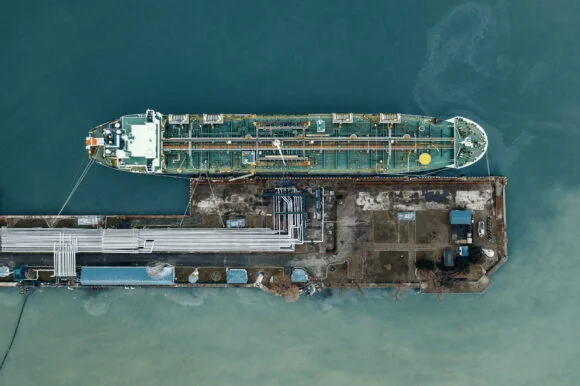
Ministers from OPEC and non-OPEC nations, meeting at the International Energy Forum in Riyadh, have reported significant increases in shipping and insurance costs, now exceeding one-third of the value of crude oil and related products. This rise poses a serious challenge to the efficient movement of energy commodities. The implications of this cost increase are multifaceted, impacting everything from production levels to international economic relations.
Shipping costs have long been a critical factor in the energy sector. They account for an essential portion of the overall expenses that energy exporters face. In recent years, the fluctuation in these costs has often mirrored the volatility of oil prices themselves, and the current spike suggests a troubling potential for higher retail prices worldwide. If producers are forced to absorb these added shipping burdens, they might scale back output or pass costs down to consumers, leading to an increase in energy prices.
Inflationary Pressures Intensified
At this ministerial session, concerns were raised about the disruptions to energy supplies, which have further exacerbated inflationary trends in the global economy. The heightened costs of shipping and insurance are not only hurting producers but also consumers, impacting economic growth worldwide. The ripple effect is significant; higher energy prices contributed to soaring costs in transportation, manufacturing, and eventually even food prices, leading to a broader inflationary strain.
This scenario isn't unprecedented. For instance, during the early 2000s, the oil price surge had similar inflationary impacts, prompting central banks to adjust their monetary policies to counter the rising cost of living. The current situation, however, carries its unique challenges. With many economies still reeling from the aftermath of the COVID-19 pandemic, any additional inflation could trigger renewed economic instability. It raises a salient question: How will central banks respond if inflation continues to rise due to external pressures like shipping costs?
Focus on Maritime Safety and Global Solutions
The obstacles presented by rising shipping costs are not just financial; they also raise concerns about maritime safety and the integrity of global energy supply chains. According to a statement from OPEC, the ministers stressed the critical need to maintain secure international maritime routes. They highlighted that the rising costs are placing additional burdens on both producing and consuming countries alike. This is where the focus on safety becomes crucial. Increased costs can sometimes lead to cutbacks in safety measures as companies attempt to manage expenses, which could result in hazardous conditions at sea.
What this points to is a broader need for concerted action among governments and industry stakeholders. Achieving safe and efficient maritime operations often requires a collaborative approach. It’s not just about navigating international waters securely; it also involves addressing the regulatory frameworks that can complicate shipping logistics. If you’re working in this space, it’s essential to understand that shipping isn’t just a matter of loading and unloading vessels; it’s about navigating a complex regulatory environment while ensuring safety. The current dialogue among OPEC nations is just the tip of the iceberg. There's a pressing need for enhancements in global shipping conditions to offset rising costs.
Future Outlook: Navigating Challenges Ahead
With these factors in mind, the future of energy flows is precarious. If the cost of shipping remains elevated, it could lead to a re-evaluation of supply chain strategies across the board. This might mean adjustments in sourcing and logistics, possibly including shorter supply chains or an increased emphasis on alternative energy sources that could mitigate reliance on traditional shipping routes. As companies weigh their options, they’ll need to factor in the risk associated with fluctuating costs and the potential for future disruptions.
That said, there’s also an argument to be made for innovation. Historically, industries under pressure have found ways to innovate. Whether through technological advancements that reduce shipping costs or by transitioning to greener energy solutions that could streamline production and distribution processes, the challenges facing the energy sector could act as a catalyst for change.
The international dialogue initiated at these ministerial meetings is, therefore, more significant than it looks. It underscores not just a moment of crisis but perhaps an inflection point. OPEC and other nations can’t ignore the relationship between shipping costs and global economic health, especially of consumers already feeling the pinch of inflation. There’s a responsibility to address these issues proactively, as the entire energy economy hinges on coherent and collaborative solutions.
(Reporting by Anjana Anil in Bengaluru. Editing by Nick Zieminski)
Discussion
Sign in to join the discussion.