Illinois launches a cover crop insurance savings program for 2027, promoting environmental stewardship while lowering costs for farmers.
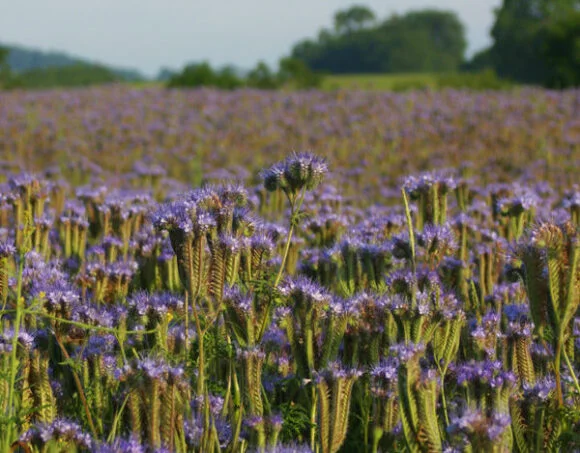
The Illinois Department of Agriculture (IDOA) is reintroducing its Fall Covers for Spring Savings Program for the 2026-2027 cycle, encouraging farmers to adopt cover crops in ways that previous state or federal programs haven’t addressed. Cover crops, typically planted not for sale but for soil enhancement, fulfill ecological benefits that can improve agricultural productivity.
Understanding Cover Crops and Their Role in Agriculture
Cover crops have become an essential component of contemporary agricultural practices. Unlike cash crops that generate immediate revenue, cover crops serve critical functions such as improving soil health, enhancing water retention, and preventing erosion. They also promote biodiversity, attracting beneficial insects and organisms that support a balanced ecosystem. This approach isn’t merely about conservation; it’s about creating a sustainable agricultural model that farmers can rely on for the long haul.
Farmers often face significant challenges related to soil degradation and climate change. The introduction of cover crops offers a pathway to mitigate these challenges. According to agricultural experts, cover crops can lead to improved yields in subsequent cash crops due to enhanced nutrient availability and soil structure. However, convincing farmers to adopt these practices can be difficult, especially when immediate financial benefits may not be as apparent compared to traditional farming methods. That’s where programs like the one from IDOA come into play.
The Fall Covers for Spring Savings Program
For this upcoming program, 190,000 acres have been allocated, with participation determined on a first-come, first-served basis. Over the past seven years, the initiative has successfully supported 890,000 acres of cover crops, signaling both a growing commitment to sustainability and the program's traction among farmers. This level of engagement suggests that many in the agricultural community recognize the benefits of integrating cover crops into their farming systems.
The structure of the program is particularly interesting. Farmers will seed cover crops in the fall of 2026, which are intended to improve soil quality and, ultimately, the performance of the cash crops they plant in 2027. By linking the adoption of cover crops to financial incentives—specifically discounts on crop insurance premiums—IDOA is addressing a critical barrier to entry for farmers contemplating this strategy.
The Benefits of Participation
IDOA Director Jerry Costello II emphasized the program's dual benefits: “The premium discount program aids farmers in reducing crop insurance costs while enhancing soil health, curbing erosion, and promoting long-term land viability.” This statement highlights a vital tension in farming—the need to balance environmentally sustainable practices with economic viability. What this means for farmers is tangible financial relief, which can be incredibly appealing, especially in an industry marked by volatility and uncertain profit margins.
This program is specifically designed for crops seeded in the fall of 2026, which will then be planted with a crop eligible for insurance in 2027. Farmers participating in the program can secure discounts of up to $5 per acre on their 2027 crop insurance premiums, contingent upon their specific insurance policies and the area of cover crops verified. (And this is the part most people overlook: the connection between soil health and crop insurance costs can be significant in a farmer's overall financial management strategy.)
Eligibility and Application Process
Eligibility is confined to individuals enrolled in the USDA Risk Management Agency (USDA-RMA) crop insurance program. This requirement reinforces the program’s focus on integrating sustainable farming practices within existing agricultural frameworks. Upon approval, applications will be sent to USDA-RMA, which will confirm applicable discounts on crop insurance premiums for 2027.
Farmers must register their cover crops with their local Farm Service Agency (FSA) before submitting their applications. To apply successfully, applicants need their current FSA-578 and crop insurance policy numbers on hand. This additional layer of bureaucracy isn't uncommon in government-sponsored programs. While necessary for accountability, it could deter some farmers from participating—particularly those unfamiliar with navigating such administrative processes.
Tentative Timeline for the Program
Key dates for the program include pre-enrollment starting November 30, with full application acceptance opening December 15 and concluding on January 15, 2027. Farmers interested in participating can access application forms via the IDOA's official website at agr.illinois.gov/. The timeline emphasizes a short window for engagement, which might push farmers to act quickly. Yet, the period also grants them some time to consider the program meticulously, making sure they understand the implications of their choices.
Implications and Future Outlook
The reintroduction of the Fall Covers for Spring Savings Program is significant on several fronts. First, it indicates a willingness on the part of state agencies to adapt existing policies to better promote sustainable agricultural practices. Given the increase in climate-related challenges in farming, programs like this could set precedents that drive future policy decisions, both at state and federal levels.
But the long-term success of such initiatives will depend on how farmers respond to these offerings. If you're working in this space, think about how the adoption of cover crops today will influence agricultural practices tomorrow. Will financial incentives lead to a more sustainable paradigm, or will farmers revert to familiar methods in pursuit of immediate returns? The answer might not only affect soil health but also shape the future of farming in Illinois and beyond.
This growing focus on sustainability could reflect broader trends in the agricultural industry, inching toward a future where eco-friendly practices are not merely encouraged but expected. However, skepticism remains regarding the effectiveness of these programs. While the IDOA program has made strides in promoting cover crops, one must question whether such efforts will translate to large-scale behavioral change among farmers.
In essence, while the Fall Covers for Spring Savings Program offers promising avenues for ecological and financial benefits, its real impact will largely depend on the farmers' willingness to embrace a long-term vision of sustainable agriculture. The stakes are high, and the dialogue continues.
PHOTO: Illinois Department of Agriculture sample cover crop photo.
Discussion
Sign in to join the discussion.