Severe heat and high winds raise wildfire risks, prompting PG&E to warn of potential power shutoffs across several counties in Northern California.
Severe weather conditions are prompting significant concern in Northern California. Power shutoffs are on the table as PG&E Corp. raises alarms over wildfire risks. With predictions of extreme heat and gusty winds, authorities are taking precautionary measures to ensure public safety.
Potential Power Shutoffs and Affected Areas
This weekend, public safety power shutoffs could affect areas in eight inland counties, including El Dorado, Lassen, and Placer. PG&E serves over 5.5 million electric customers across northern and central California, which means these shutoffs could have a considerable impact on daily life. As the utility has indicated, more counties could be added to the list as conditions evolve. The counties set to expand shutoff warnings include Colusa, Glenn, Nevada, Plumas, Shasta, Sierra, Tehama, and Yolo.
The looming power shutoffs reflect a growing trend in California, where utility companies are increasingly resorting to preventive measures amid rising wildfire risks. It's a controversial practice, balancing public safety against economic and social disruption. The decision often hinges on predictive models assessing factors like humidity, wind, and temperature—components that, when combined, create a volatile environment for fires.
Weather Forecasts and Fire Risks
Weather forecasts from the National Weather Service predict that wind gusts could reach 35 miles per hour, while temperatures soar to around 101°F (38°C) in certain regions like Roseville. Even though temperatures will dip to about 85°F by Sunday, the combination of dry conditions and strong winds increases the risk of wildfires significantly. A fire-weather watch is in effect and will likely endure into early next week.
The paradox of California's climate is striking. While the state is known for its sunshine, a late-summer heatwave complicates things further. This isn’t merely an inconvenience; it poses real dangers. Fires can escalate quickly when low humidity and high winds come together, creating a recipe for disaster that challenges first responders on multiple fronts.
Fire Weather Advisories and Community Preparedness
According to the National Weather Service, this confluence of strong winds and low humidity creates a firefighting nightmare. Multiple fire-weather advisories have already been issued in anticipation of the adverse conditions. This impetus for action reveals how deeply concerned authorities are about public safety and the protection of natural resources.
Public agencies are urging community members to prepare for potentially devastating fire conditions. This preparation ranges from creating defensible spaces around homes to keeping emergency supplies at hand. It’s a collective responsibility that residents must shoulder, as the landscape becomes increasingly perilous. Unfortunately, some communities hit hardest by previous wildfires are still recovering, making prevention even more critical.
Electricity Demand Amid Extreme Conditions
On the demand side, California is facing high electricity usage, heightened by the late-summer heatwave. Power consumption recently peaked at over 50 gigawatts, coming close to established record highs. The California Independent System Operator, which oversees the state's electricity grid, has noted that these levels are approaching the all-time maximum of 52 gigawatts recorded in 2022.
The state’s energy system is under significant strain, not just from environmental factors but from a growing consumer appetite for electricity as summer enters its final stretch. Cooling systems across businesses and homes are running at full throttle, putting additional pressure on an already fragile grid. If you’re working in this space, the intersection of demand and supply during extreme weather conditions appears increasingly untenable.
The Situation in Southern California
In Southern California, an extreme heat warning remains in effect, with the Los Angeles Department of Water and Power urging customers to conserve energy. The tropical humidity from Pacific hurricane remnants increases electricity usage, contributing to an already precarious situation. These recommendations are part of broader efforts to avert potential blackouts, which could further complicate life for the community. This is the part most people overlook: conservation efforts can directly mitigate the risk of rolling blackouts.
Implications for Energy Infrastructure
The convergence of operational challenges for PG&E and the escalating demand, coupled with the impending threat of wildfires, sets a precarious stage for the region's energy infrastructure. Stakeholders are thus prompted to prepare for potential impacts on power availability and wildfire management efforts as the situation unfolds in the coming week. It’s alarming to consider how interconnected our vulnerabilities have become, increasing the stakes for Californians.
Looking ahead, what could all of this mean? The implications suggest a pressing need for long-term investments in sustainable energy sources and infrastructure capable of withstanding extreme weather. The risk is not just about utility management but about safeguarding communities from future environmental challenges.
As the days grow hotter and the winds pick up, it becomes evident that Northern California's residents are navigating uncertain waters. The choices made now will resonate through future seasons, shaping the way our energy systems and communities respond to the looming specter of climate change.
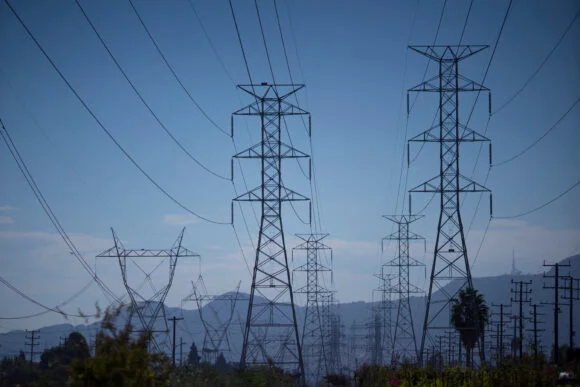
Image source: Power lines during a heatwave in North Hollywood, California. Photographer: Bloomberg/Bloomberg.
Discussion
Sign in to join the discussion.