Tragedy at Miami Airport Highlights Unsafe Conditions for Airline Cleaning Crews
Published Sep 11, 2026Views 817By Admin
A collision at Miami International Airport claimed five lives and raises concerns about the safety and treatment of essential cleaning crews in aviation.
Tragedy at Miami International Airport: Examining the Risks Faced by Airport Workers
Incident Details and Implications
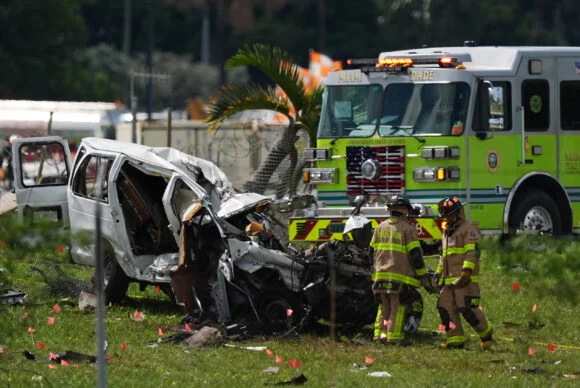
A tragic incident occurred when an Amazon cargo plane collided with a cleaning crew's van at Miami International Airport. This event claimed the lives of five crew members, who were in the process of concluding their shift after eight hours of cleaning planes. The crash has spotlighted the often-overlooked labor force responsible for maintaining aircraft, typically working under demanding circumstances for minimal compensation.
The crunch of this situation lies in the obscured nature of their roles; cleaning crews operate out of sight from passengers yet are essential to the operation of airlines that serve travelers around the clock. Jennifer Homendy, Chairwoman of the National Transportation Safety Board, expressed disbelief that such a catastrophe could occur while crew members were simply performing their duties. It raises unsettling questions about the safety protocols in place at one of the busiest airports in the United States.
Airports are complex ecosystems where numerous entities interact, but the workers who keep these facilities running smoothly often remain invisible. They ensure the cleanliness and functionality of the aircraft but are rarely afforded the recognition or the safety measures necessary to protect them. Layering on the operational pressure to meet demands, this tragedy has illuminated glaring deficiencies in how the industry treats its workforce.
Workers' Conditions and Risks
The cleaning firm involved, Professional Ocean Service Corp., has worked at the airport for over 15 years. According to records from the Florida Office of Judges of Compensation Claims, only three of their workers’ compensation claims have been contested over the last decade and a half. While that number appears low, it doesn’t present the complete risk profile for workers in hazardous conditions.
There's a troubling disconnect here. Just because claims are rarely contested does not mean they are adequately met. In fact, the physical strain these workers endure cannot be understated. Expert analysis reveals that the cleaning process involves swift movements through cramped spaces, often under oppressive heat and exposure to hazardous chemicals. These conditions are complicated by the presence of large aircraft and bustling operational environments, increasing existing risks significantly.
And yet, the issue is not merely about physical danger. Many workers are compensated near minimum wage, which contributes to high turnover rates. Frequent job changes lead to a lack of training and awareness of safety protocols. If you’re working in this space, you know that the combination of low pay, demanding hours, and inadequate safety can foster a precarious working environment where incidents like this can become more likely.
Personal Stories Amidst the Tragedy
Among those killed was Yoel Rodriguez Naranjo, a 53-year-old immigrant from Cuba, who had worked tirelessly to support his family since arriving in the U.S. His tragic fate was realized when his wife, after multiple unresponded messages, discovered information about the crash through local news. His attorney has initiated a wrongful-death lawsuit against Amazon and the plane’s operators, reflecting a demand for accountability amidst this loss.
Stories like Yoel's paint a poignant picture of the human cost of workplace neglect. Other victims, including 75-year-old Julio C. Pineda, who was well-loved in his community, left behind friends and family who will sorely miss their joyful presence. The universal thread through all victims’ stories is their dedication to a job that, while critical to airport operations, is often undervalued and underpaid. They are the unseen pillars of the aviation industry, yet they are left vulnerable in high-risk environments.
In this light, it’s clear there’s an urgent need for much greater transparency regarding the conditions in which these workers are operating. Safety mechanisms are often minimal at best, and unless robust contingencies are implemented, we may once again find ourselves mourning preventable losses.
Implications for the Future
What this means for you, particularly if you're an industry stakeholder or policymaker, is that significant change is necessary. As investigations unfold, the workforce's safety mechanisms and regulatory frameworks will come under scrutiny. This incident might serve as a catalyst for re-evaluating how airline support employees are treated—both in terms of safety standards and compensation.
The public outcry following this tragic incident serves as a reminder that systematic change is achievable through collective advocacy. Advocates for workers' rights stress that the aviation industry should implement rigorous safety measures, better training programs, and fairer compensation structures. Existing norms of invisibility and neglect cannot persist if we are to prevent such tragedies in the future.
In the aftermath, there may be renewed pressure to adopt more stringent regulations. If such reforms are made—addressing not just the physical risks but also the economic ones—this could lead to a safer, more equitable workplace for these essential yet marginalized workers. The implications extend beyond just one tragic incident; they're indicative of a broader systemic issue that requires immediate attention.
Ultimately, the stories of those who lost their lives should not fade into mere statistics. We owe it to them—and to the countless others in similar situations—to ensure that the safety measures and protections that should be their right are put in place, elevating the standards of safety and respect for all workers in the aviation sector.
Discussion
Sign in to join the discussion.