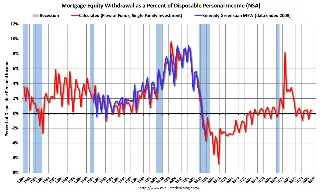
Mortgage debt remained stable in Q3 2025, indicating a reluctance among homeowners to tap into home equity, reflecting cautious market conditions.

In the latest Calculated Risk Real Estate newsletter, insights from the Q3 2025 mortgage landscape reveal that homeowners are largely refraining from using their home equity. This trend echoes a cautious approach reminiscent of the pre-bust era, when many excessively leveraged their home values, leading to negative equity during market downturns.
Current Mortgage Debt Trends
According to the Federal Reserve's Financial Accounts report, mortgage debt saw an increase of $108 billion in Q3 2025, consistent with the previous quarter's growth. This stability follows nearly seven years of contraction in mortgage debt, primarily driven by distressed property sales, including foreclosures and short sales, that eliminated significant mortgage liabilities. The mortgage market's trajectory is shaped by historical events, particularly the 2008 financial crisis, which left lasting impressions on borrowing behaviors. After the crash, lenders adopted more restrictive lending practices, making it harder for homeowners to access equity. As a result, borrowers are much more conservative with their borrowing strategies than they were a decade ago.
Today, with interest rates fluctuating and housing prices stabilizing, many homeowners are hesitant to tap into their equity. They are acutely aware of the risks involved, particularly as memories of the last downturn remain fresh. The growth in mortgage debt could be interpreted as a sign of a stabilizing market, but it's also essential to differentiate between types of borrowing, as not all debt translates into equity withdrawal.
Understanding Borrower Motivations
It's crucial to recognize that not all new mortgage debt is a result of equity withdrawal; some funds are aimed at augmenting the housing stock through new home purchases. This nuance highlights the differing motivations of current borrowers in a shifting market. In recent years, there's been a noticeable increase in first-time homebuyers entering the market, driven by supportive factors like low unemployment and steady wages. These buyers often take out mortgages not to cash out on their home equity but to secure a foothold in real estate before prices rise further.
For these borrowers, the motivation is two-fold: securing a mortgage at potentially lower interest rates and investing in an appreciating asset. However, they might not be aware that their entry plays into a delicate balance within the market. With a constrained supply of homes for sale, first-home purchases can lead to increased prices in certain areas, indirectly affecting affordability for future buyers. This creates a ripple effect in the housing market that could be detrimental if not managed carefully.
Here's the thing: the reluctance to use home equity has implications for the broader economy as well. Consumers typically treat home equity as a financial cushion, using it for renovations, debt consolidation, or other significant expenses. The current downshift in home equity consumption could signal a broader trend of increased saving and reduced discretionary spending. Economic cycles often hinge on consumer confidence, and if homeowners are feeling risk-averse, this could dampen economic growth.
The Resilience of the Housing Market
This trend reflects a broader resilience in the housing market, which has weathered ups and downs in recent years. Property values have seen fluctuations, yet the fundamentals underlying these values remain relatively strong. For many homeowners, especially those with fixed-rate mortgages, the consistent monthly payments provide a sense of security, contrasting sharply with the volatility of equity withdrawals. An increase in home values has allowed many to ride out the uncertainties while maintaining their ownership stakes without exposing themselves to over-leveraging.
(And this is the part most people overlook) — housing supply remains tight. Many homeowners are reluctant to sell because they either can't find a suitable replacement home or don't want to give up their low mortgage rates. This dynamic contributes to a lack of movement in the market, as people hold onto their properties longer, inadvertently limiting new buyers' access to homes. As mortgage rates remain elevated, the conversations surrounding affordability grow louder, leaving many to ponder whether the current situation is sustainable for future market dynamics.
It's also worth considering how demographic shifts will influence the market. As more millennials enter the home-buying stage and Generation Z begins to look at homeownership, demand may shift. They might approach home equity and borrowing differently. This younger demographic is often more educated about the pitfalls of over-leverage, thanks in part to witnessing the consequences of the last market crash. Their potential reluctance to engage heavily in borrowing against their homes or jumping into the market without careful analysis could drive a new approach to how the market evolves.
Implications for Future Market Dynamics
What this means for you, whether you're a homeowner, a prospective buyer, or an industry professional, is that the current trends signal a cautious but deliberate shift in how equity is viewed and utilized. Homeowners' hesitancy to tap into their equity could lead to fewer available funds in the economy, affecting everything from consumer spending to the employment landscape within construction and related industries. This cautious approach might not just be a reflex from the crises of the past — it could shape a new norm in how equity is treated in the future.
Shifts in borrowing tendencies indicate a more measured approach to home equity, with possible long-term implications for both homeowners and buyers alike. As the dynamics evolve, lenders are likely to adapt their offerings to suit a more risk-aware consumer base. Expect to see more discussions around financial literacy and responsible borrowing, fostering a more sustainable housing market. As trends emerge, policymakers and industry leaders will need to keep an eye on these critical shifts, ensuring that the market evolves in a way that supports stability and growth without repeating past mistakes.
Discussion
Sign in to join the discussion.