Tropical Storm Lala is predicted to impact Hawaii this weekend, marking heightened storm risks as El Niño intensifies the Pacific hurricane season.
A significant patch of thunderstorms in the Pacific is expected to strengthen into Tropical Storm Lala by Thursday, posing a potential threat to Hawaii this weekend. The storm is currently situated about 935 miles (1,500 kilometers) east-southeast of Hilo, with wind speeds reaching 35 miles per hour, just shy of tropical storm classification.
Current Situation in the Pacific
The National Hurricane Center has its eyes locked on Lala as it makes its way toward the Hawaiian Islands. Experts currently predict that it will approach the islands early Saturday. While it’s unlikely that Lala will escalate to hurricane strength, wind forecasts suggest it could reach sustained speeds that pose risks to the island's sensitive ecosystems and infrastructure. The imminent threat of heavy rainfall and turbulent winds warrants serious attention from residents and local authorities alike.
Richard Pasch, a senior hurricane specialist at the center, emphasized the need for vigilance, indicating that a Hurricane or Tropical Storm Watch may be issued for the islands by Thursday. The issuance of such a watch signals to residents and businesses to prepare for potential disruptions, from power outages to flight cancellations. With every weather update, the uncertainty increases, leading to heightened anxiety among locals who have lived through severe storms before.
The Shadow of Past Hurricanes
This situation hits close to home, especially in light of last month’s close call with Hurricane Fausto, which hesitated and ultimately weakened, veering north of the islands. That experience left many wondering about the next storm’s trajectory. In fact, a storm of sufficient strength would mark Hawaii's first direct hurricane hit in over three decades. If Lala gains hurricane status with winds of 74 mph or above, it would be the first to strike Hawaii since Hurricane Iniki devastated the islands in September 1992. That storm didn't just disrupt life; it resulted in six fatalities and substantial damages estimated at $3.1 billion when adjusted for inflation, a stark reminder of the havoc that powerful storms can unleash.
El Niño's Influence
The current situation isn't isolated. Climate experts are closely monitoring the impacts of a potent El Niño developing across the Pacific. This weather phenomenon, characterized by warmer ocean temperatures, has historically influenced tropical storm patterns in significant ways. Abby Frazier, a professor of geography and climatologist at Clark University, pointed out that El Niño conditions typically lead to a rise in the frequency of hurricanes affecting Hawaii. “With El Niño, we can expect more central Pacific hurricanes forming,” Frazier noted. This prediction is alarming, particularly as the island's infrastructure isn’t fully equipped to handle repeated storms. Increased storm activity could undermine the local economy, disrupt tourism—a primary revenue source—and strain state resources.
Consequences of Nearby Storms
What about the storms that don't directly impact the islands? Even those can yield devastating consequences. Earlier this year, Hurricane Dora, a storm that remained far to the south, stirred up severe weather patterns that created intense winds across Maui. The aftermath was catastrophic; these winds ignited wildfires that claimed over 100 lives. Financial repercussions have been equally severe, leading Hawaiian Electric Industries to formalize a $2 billion settlement to address wildfire damage claims from the Lahaina disaster. This is more significant than it looks; the financial impact of indirect storm effects can persist long after the winds have died down.
Increased Weather Challenges
Beyond the direct threats posed by tropical storms and hurricanes, Hawaii has faced additional challenges this year from Kona storms. These weather systems have caused considerable flooding, compelling authorities to issue evacuations in various communities. The state's emergency response mechanisms are already stretched thin, grappling with the current challenges while preparing for what could follow with Lala. If you're working in this space, you know that forecasting and readiness are everything, but the unpredictability of nature often leaves even the best-laid plans in shambles.
Implications for Hawaii’s Future
As preparation begins for potential impacts this weekend, the situation underscores the ongoing vulnerability of Hawaii to extreme weather patterns exacerbated by climatic shifts. The pressure on state and federal resources becomes palpable. Each storm, whether it makes landfall or not, reopens wounds from previous disasters and exposes underlying weaknesses in preparedness for future events.
Resilience and proactive strategies will be essential. Stakeholders, from homeowners to public officials, must coordinate their efforts to not only weather the storm but emerge stronger afterward. The islands will need to rethink how they approach both disaster mitigation and response. The next decade could see more frequent storms, and if trend predictions hold true, preparedness needs to evolve accordingly.
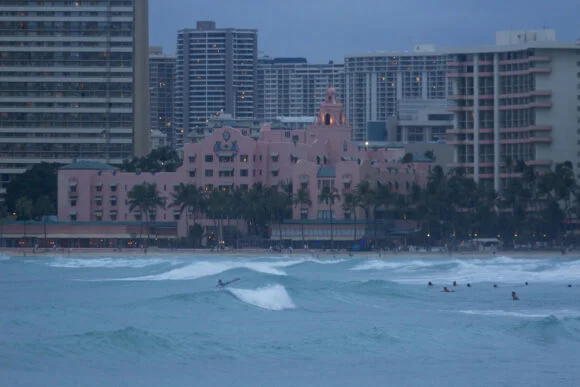
Top image: A stormy sea near the Royal Hawaiian Hotel during Hurricane Lane, captured from Waikiki Beach on August 24, 2018.
Discussion
Sign in to join the discussion.