Recent outbreaks linked to Taylor Farms point to vulnerabilities in U.S. food safety as reliance on Mexican imports grows.
Recent foodborne illness outbreaks tied to Taylor Farms have spotlighted a critical vulnerability in the North American food supply chain: the United States' increasing dependence on Mexican agricultural products and the regulatory challenges that accompany it.
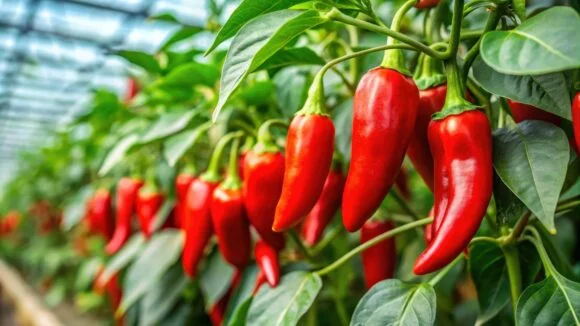
Taylor Farms, a $7 billion supplier for fast-food chains and retailers, recently recalled products containing jalapeños after reports linked a salmonella outbreak—affecting several hundred consumers—to peppers sourced from Mexico. This incident followed a significant cyclosporiasis outbreak traced back to iceberg lettuce from the same supplier, which resulted in over 6,300 illnesses and two deaths.
Concerns Over FDA Oversight
These incidents have reignited concerns regarding the FDA's ability to properly oversee imported food, particularly given that the agency's workforce has dropped by 22% from 2024 to 2026. This decline in capacity coincides with a nearly 13% decrease in foreign food inspections, even as import volumes continue to increase.
“Without question, these cuts are detrimental to food safety,” noted Jennifer McEntire, founder of the Food Safety Strategy consultancy, emphasizing the need for heightened scrutiny during ongoing outbreaks. The FDA has not commented on these issues.
Growing Dependency on Mexico
The U.S. imported just under $3 billion in agricultural goods from Mexico in 1993, prior to the North American Free Trade Agreement (NAFTA). By 2025, this figure surged to $16.1 billion, accounting for over 20% of all U.S. food imports, according to Luis Ribera, an agricultural economist from Texas A&M University.
Ribera highlighted that year-round access to produce at affordable prices hinges on these cross-border partnerships. However, the very supply chains enabling this accessibility have periodically led to significant foodborne illness outbreaks traced back to imported produce.
Historical Context of Safety Failures
Investigations into U.S. food safety over the past two decades have consistently identified imported Mexican products—such as peppers, cantaloupes, cilantro, and leafy greens—as sources of contamination. The resulting public health crises have led to increased scrutiny of water quality, sanitation protocols, and food safety measures among growers and distributors.
While the FDA has enacted certain safeguards for specific regions, the lack of a consistent certification requirement for all Mexican produce suppliers to verify the safety of their irrigation water remains a glaring gap in food safety regulation.
Cristobal Chaidez, a food safety researcher from Mexico’s National Laboratory for Research in Food Safety, noted that agricultural water quality is a persistent issue. “During drought conditions, farmers might resort to using any available water source, even if it’s not safe,” he elaborated, stressing that ultimately, food companies must take responsibility for monitoring their supply chains.
Taylor Farms' Response and Industry Implications
In response to the cyclosporiasis outbreak, Taylor Farms temporarily shut down its facility in Guanajuato, Mexico. The company asserts that its water sources undergo testing for fecal indicator organisms and maintains cooperation with regulatory authorities whenever food safety concerns arise.
This recent outbreak is not the first linked to Taylor Farms; a 2013 investigation by the CDC connected illnesses from bagged salad mixes in Iowa and Nebraska to the same company’s operations in Mexico.
The FDA has historically responded to such outbreaks by imposing import alerts on specific products or regions. Some companies may qualify for a green list designation, which allows them to bypass certain inspections, though this system lacks comprehensive application across Mexican agriculture.
Critics like McEntire argue that these measures alone are insufficient for ensuring produce safety, as they often react to recurring problems without establishing standardized safety protocols. “Import alerts and green lists serve more as delayed responses rather than preemptive safety measures,” she remarked.
In light of these incidents, it’s evident that the balance between food safety and the quest for lower prices in the U.S. relies heavily on robust oversight of the import supply chain. As the USDA projects further increases in agricultural imports from Mexico, the urgency for enhanced safety measures continues to grow.
Discussion
Sign in to join the discussion.