Allianz UK’s Renewable Energy Select brings multiple technologies at one site under a single operational policy, with liability and property-related limits.
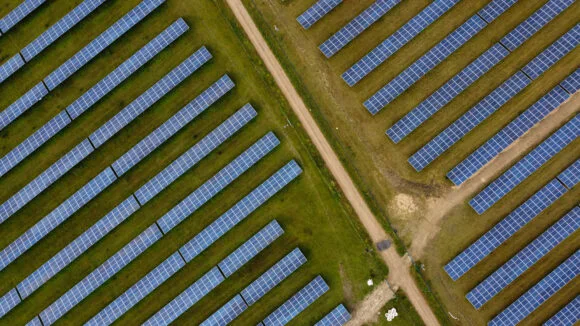
Allianz UK is broadening its Renewable Energy Select proposition around a practical challenge for project owners: a single site can combine power generation with assets that help balance the grid, yet those components may call for different operational wording. The updated offer places multiple technologies at one location under a single policy. That could make it easier for brokers to arrange cover as projects and portfolios change, although the policy’s stated limits and the fit of its terms with a particular site will still matter.
One policy across mixed technology sites
The proposition covers onshore wind, ground-mounted solar, hydro, biomass and anaerobic digestion, alongside battery energy storage systems and Slow Reserve, which replaces the legacy STOR service. Slow Reserve helps balance electricity supply and demand, so its inclusion brings a grid service within an offer that also covers generation technologies.
That mix reflects how renewable energy projects can bring different equipment and functions together at one location. A site may produce electricity, store it, or provide a service that helps manage supply and demand; each function can carry its own operational exposures and maintenance needs.
Allianz says distinct technologies bring different risks, while links among equipment, supply chains and grid infrastructure can allow a problem in one area to affect others. A single policy may reduce the administrative work involved in coordinating separate wordings, but it doesn’t remove the need to understand how the insured assets interact or where cover applies.
That distinction matters. Simplifying the paperwork is useful only if the wording still reflects the project’s actual technology mix, operating arrangements and dependencies. For brokers, the task is to test that fit as a site develops, rather than assume that one policy automatically means every exposure is treated in the same way.
Coverage limits
The policy offers public and products liability cover up to £5 million and employers’ liability cover up to £10 million. Those headline limits give a sense of the cover available, but they don’t describe the full scope of protection: the applicable terms, exclusions and conditions also shape what a policy responds to.
Other stated limits are more specific to work on property, temporary removal, clean-up costs and legal expenses. They include:
- Alterations, additions and improvements: up to £1 million per period of insurance
- Temporary removal: up to £100,000
- Debris removal and professional fees: up to £50,000
- Commercial legal expenses: up to £100,000 for any one event
These figures shouldn’t be read as a measure of the total value insured at a site. They apply to the categories described, and the wording supplied here doesn’t set out how each limit interacts with the rest of the policy. Project owners and brokers will need to consider the relevant terms alongside the planned work and the assets involved.
Market context and risk support
Allianz cited UK government figures showing that renewables supply more than half of the country’s electricity. It also pointed to planned annual investment of more than £30 billion in clean energy industries through 2035, as the UK pursues its Clean Power 2030 ambitions.
That backdrop helps explain why insurers are paying attention to projects that combine generation with storage and grid services. As the range of assets on a site grows, the insurance question becomes less about a single machine and more about how equipment, operations and connections can depend on one another. The scale of investment cited by Allianz signals market activity, but it doesn’t by itself establish how quickly individual projects will be built or what cover each one will need.
“The UK’s transition to renewable energy brings significant opportunities, but the risks are changing too,” said Karen Boothroyd, Allianz UK’s head of Construction, Engineering and Energy, UK Markets. She cited construction and operational exposures, including business disruption, and said interconnected equipment and infrastructure can widen the consequences of a failure.
This is more significant than it looks: a failure can have implications beyond the component where it starts if other equipment or grid services rely on it. That’s a general feature of connected operations, and it makes clear descriptions of the insured assets and their roles especially relevant when a project changes over time.
What brokers and project owners should watch
Boothroyd said Allianz aims to pair insurance with engineering inspection expertise and practical risk prevention support. That combination is intended to address risk before and during operations as well as provide insurance cover, though the value of the support will depend on how it’s applied to the site and its particular equipment.
For brokers, the offer’s value will hinge on how well one operational policy can accommodate projects as their technology mix develops, while addressing the different risks across generation and grid services. They’ll need to understand how a planned addition affects the description of the site, the relevant limits and the policy terms. One arrangement may make administration simpler; the quality of the cover still rests on the detail.
If you're working in this space, the practical question is whether the policy can keep pace with the project as it changes. A clear account of the technologies, their connections and the work being carried out can help brokers assess that fit, while engineering inspections and prevention support may help identify operational concerns.
And yet. A broader proposition is only a starting point; its usefulness will be judged in the specific wording and in how well the insurer’s support matches the risks at each site.
Discussion
Sign in to join the discussion.