France's Supermarkets Face Ongoing Cyberattacks Disrupting Food Supply Chains
Published Oct 16, 2026Views 987By Admin
Cyberattacks on French supermarkets have caused significant food safety risks and financial losses, highlighting vulnerabilities in supply chains and cybersecurity.
Supermarkets Under Siege: Ongoing Cyber Threats
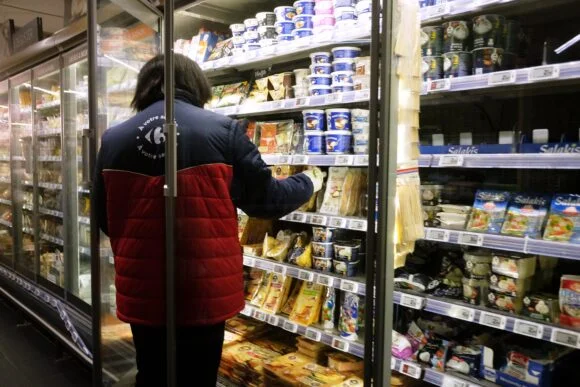
In a troubling development, France's cybersecurity agency has alerted that a cyberattack impacting supermarkets might still be active, prompting urgent measures as stores attempt to replenish their supplies. Following the attack, which disrupted refrigeration systems, temperatures soared dangerously high, raising immediate concerns over food safety and supply chain integrity.
On Tuesday evening, the cybersecurity authority issued a stark warning that the ongoing attacks could still pose risks. They advised supermarkets to reconnect their refrigeration units to the internet securely, utilizing VPNs or protected networks, and to stay current with firmware updates while changing default passwords to enhance security.
Attackers seized control of refrigeration systems in numerous supermarkets and independent retailers across France during the early hours of Monday, causing temperatures to spike to 50°C (122°F) for a sustained period. This devastation forced the disposal of thousands of perishable goods. Notably, the Intermarché supermarket chain reported staggering losses, estimating tens of millions of euros in just a single day.
Meanwhile, in the Netherlands, a major supermarket chain has cautiously restarted systems that were temporarily shut down in response to what has been described as a “cybersecurity incident” by its parent company, Ahold Delhaize. This precaution resulted in halted home deliveries and disrupted supply channels across the Dutch store network.
Investigations into these incidents are underway in both France and the Netherlands, which have exposed critical vulnerabilities in legacy refrigeration management systems alongside the overall efficiency of the food supply networks in these nations.
Cybersecurity Investigations Underway
The Dutch National Cybersecurity Center has reported a series of cyber incidents affecting Europe's food sector but currently sees no direct correlation between them. Europol has confirmed ongoing communication with national authorities in the affected areas, though specific details remain under wraps due to the sensitive nature of the investigation.
As of now, no suspects have been publicly identified, and no claims of responsibility have emerged. François Deruty, a former director at the French Cybersecurity Agency, noted the attackers could range from sophisticated state-sponsored groups to individuals motivated by chaos or dissent. Recent widespread protests among students in France could suggest a link, complicating the profile of the attacker.
Determining the motives behind this cyber assault is challenging. Deruty remarked on the strange timing of the attacks, adding that they come amidst a backdrop of political unrest. The repercussions of this incident could resonate far beyond the supermarket shelves, impacting how citizens perceive digital threats to their daily lives.
A Logistics Wake-Up Call
While the extent of the damage varies across the region, the incident has been recognized as a concerning reminder of the vulnerabilities in vital food supply systems. French Finance Minister Roland Lescure stated that around 700 of the nation's 10,000 supermarkets were directly affected. He asserted there was no immediate threat to food availability but acknowledged the attack struck at the heart of national food security.
Deruty emphasized that the vulnerabilities exploited were largely due to lax security practices, noting that many systems had not received necessary updates, leaving them ripe for attacks. “Still, there are those who fail to grasp that they could be targets,” he highlighted, illustrating an ongoing gap in awareness concerning cyber threats among smaller, franchise operators.
French authorities have indicated that the cybersecurity breaches were tied closely to outdated refrigeration technologies from manufacturers like Danfoss and Copeland. Data security experts have pointed out that these older systems were particularly susceptible, emphasizing a need for immediate compliance with modern security protocols.
As the situation evolves, it’s become clear this cyber incident may serve as an imperative wake-up call for better security practices in the food and retail sectors moving forward.
Discussion
Sign in to join the discussion.