Credit report retention varies significantly across the US, UK, and Australia, impacting how long negative information affects consumers' finances.
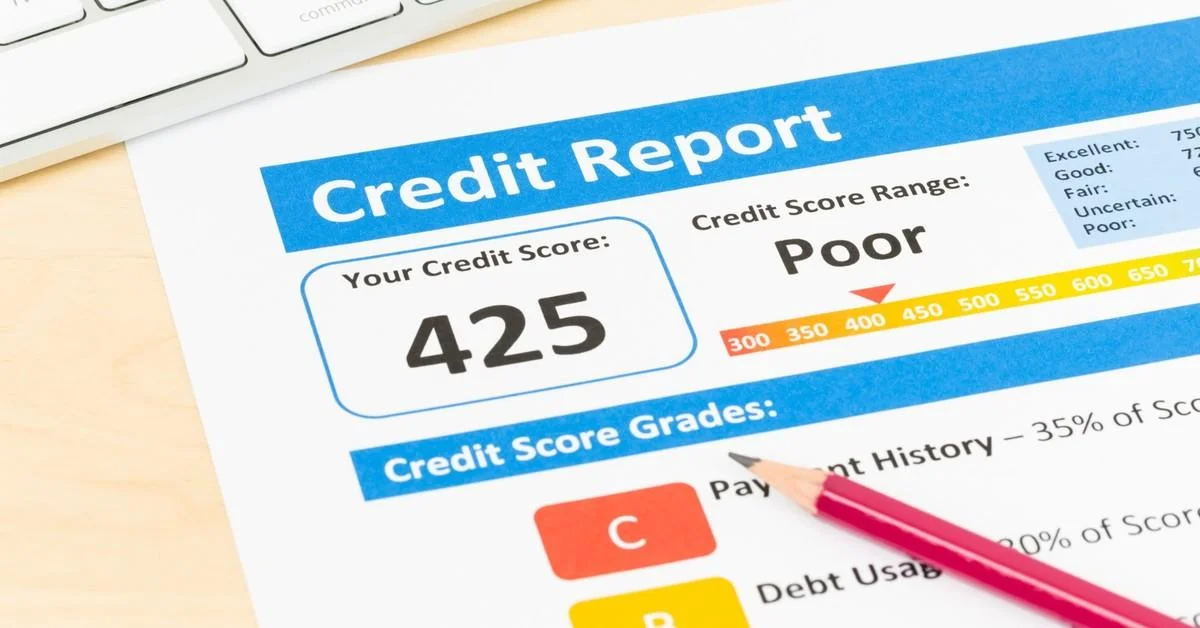
Bad credit isn’t a universal constancy. While many believe that negative marks linger for exactly seven years, this timeframe is heavily dependent on where you live. In the United States, missed payments can negatively affect your credit for seven years from the date of the initial delinquency. However, in the UK and Australia, the durations differ, impacting financial decisions across borders.
US Framework: A Seven-Year Rule
In the US, guidelines stipulate that most negative items—such as late payments, charge-offs, and accounts in collections—will remain visible for seven years post-delinquency. This is mandated under the Fair Credit Reporting Act. You may wonder about the exceptions: Chapter 7 bankruptcies can linger for ten years, while hard inquiries only last for two years. The difference in timeframe can significantly affect people's financial lives, especially when they’re trying to obtain a loan or a credit card.
Furthermore, disputing incorrect entries on credit reports is a cost-free process. Individuals can directly approach the major credit bureaus—Equifax, Experian, and TransUnion—and submit a dispute, which the agencies have thirty days to investigate. But here's the thing: many people underestimate the time it takes and the potential hassle involved. Credit repair services are tempting in this regard. However, they often come with subscription fees, typically ranging from $50 to $150 monthly. This leads to ongoing charges regardless of the results, creating a recurring financial burden for those hoping to clear their credit issues.
The UK: A Six-Year Standard
Crossing the Atlantic, the UK sets its standard for negative credit details: they remain active for six years. This includes everything from defaults to County Court Judgments and, yes, even missed payments. An interesting nuance in the UK is that these negative entries can disappear after six years—even if the associated debt remains unpaid. While lenders can still pursue the debt, they can't influence your credit score after that period. Some may see this as a lenient approach, while others might argue it enables people to dodge financial responsibility.
Consumers in the UK can also dispute reports without incurring costs. If a creditor refuses to modify an entry, individuals can file an explanatory notice, which must be presented to future lenders. Unlike in the US, the British credit repair market is less aggressive and tends to be more heavily regulated by the Financial Conduct Authority. This regulatory scrutiny protects consumers but also raises questions: could tighter regulations stifle innovation and consumer choice in credit repair services?
Australia: Five Years with Stricter Entry Criteria
In Australia, the timeline for defaults is notably shorter yet more stringent, with a maximum retention of five years on credit files—even post-payment. The Australian credit system operates with local bureaus such as Equifax, Experian, and illion, much like in the US. Disputing inaccurate listings also comes at no cost, aligning with consumer-friendly practices seen in other countries.
What's distinct about Australian credit repair firms, like Real Credit Repairers, is their unique fee structure: they only charge once negative marks are successfully removed, contrasting the US model where costs can accrue continuously. In this respect, Australia's approach could be seen as more equitable for consumers. It’s crucial for individuals to understand that an entry can only be listed if it’s overdue by more than 60 days and the amount must exceed $150. Additionally, repayment histories are documented for two years, while severe infractions can stay on your record for seven years. This strict requirement may make it tougher for some, but it arguably encourages responsible financial behavior.
Implications for Expats: Credit Scores Don't Transfer
One critical insight for expatriates: your credit score doesn’t transfer between countries. A strong credit history in the US offers no advantage in the UK or Australia. Each country's credit bureaus only recognize local financial history, meaning individuals are often starting anew. This can be both a challenge and an opportunity for expats looking to establish themselves financially in a new country.
When moving internationally, pulling your credit report in the new country beforehand is vital. You have to identify any lingering issues that could impede financial opportunities. Understanding the varying timelines for negative marks across different jurisdictions will furnish you with the necessary knowledge for navigating these complex international credit frameworks. This isn’t just about numbers; it’s about your future financial health.
Future Outlook: Navigating International Credit
The differences among credit reporting in various countries imply that consumers must remain informed and proactive. As globalization continues to increase, understanding these diverse credit systems is ever more pertinent for international travelers and expats. If you’re working in this space, consider the growing interconnectivity of financial institutions. They may one day bridge these gaps, offering more versatile solutions for individuals trying to maintain their creditworthiness across borders.
Clearly, these differences aren't just bureaucratic minutiae; they're the building blocks of people's financial lives. The implications extend far beyond credit scores—they affect mortgage rates, loan approvals, and even job opportunities. Knowing these differences empowers individuals and might just change their financial trajectory in significant ways.
Discussion
Sign in to join the discussion.