Risks and Rewards of Oil Transport Through the Strait of Hormuz: A Captain's Perspective
Published Oct 02, 2026Views 880By Admin
Oil transport through the Strait of Hormuz is fraught with danger, but high financial incentives for crews highlight the complex risks and rewards in global energy markets.
Navigating Danger: The Risks of Oil Transport through the Strait of Hormuz
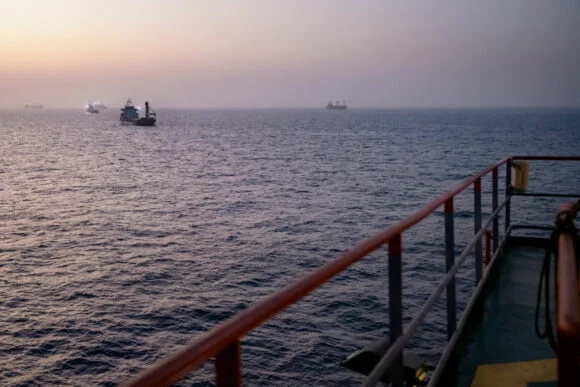
When moving oil through the Strait of Hormuz, tanker crews face immense hazards. One captain, who recently shared his experiences, provided a revealing account of navigating under perilous conditions, with missile and drone threats looming. During a tense moment, he witnessed a blast from a nearby vessel and promptly reported the incident to the US Navy, underscoring the urgency of maintaining safety amidst rising geopolitical tensions. The implications of this incident extend beyond immediate concerns for crew safety; they resonate through global energy markets, challenging the foundational stability of oil transportation routes.
US Military Oversight and Economic Implications
The current flow of oil from the Middle East has spiked significantly, primarily because these shipments are now shadowed by US military oversight. This military presence has introduced a layer of security, yet it also raises critical questions about operational safety and economic ramifications for global energy markets. With US banks like JPMorgan and Goldman Sachs estimating daily exports through the Gulf at about 17.5 million barrels, the economic stakes are enormous.
For those operating in the shipping and energy sectors, these figures hint at a potential return to stability. But this return comes with uncertainty. The geopolitical dynamics in the region are in constant flux, and the threat of conflict looms large. Such volatility means that while normalcy might seem attainable, it remains, at best, precarious. If you're working in this space, understanding these shifting dynamics is key to navigating your operational strategies effectively.
The Intricacies of Oil Transport
In practice, moving oil is akin to a well-rehearsed yet dangerous dance. Captain tensions, shaped by strict nighttime protocols, often mean navigating without lights and relying primarily on antiquated navigation techniques. This situation is less about navigating the seas and more about managing risk in an environment where modern technology is either too risky or entirely off-limits. “I’m just lucky because I still remember the traditional navigation, the old school,” he said, emphasizing the expertise required. In an age dominated by GPS and satellite navigation, it's telling that such skills represent a cornerstone of safety amidst chaos.
To reassure themselves, crews often rely on the geography of the Omani coast and lighthouses, which serve as their only guide through these tumultuous waters. However, it’s incredible to think—how many other industries would accept such high-risk procedures as standard operating procedure? The maritime industry operates under a level of risk that would be unacceptable in most other sectors.
Financial Incentives and Human Cost
However, it's not just the captains at risk. The entire maritime workforce stands to gain from these crossings, given the significant financial incentives now being offered. Shipowners are reportedly willing to pay handsome premiums, with one company allegedly offering an additional six months' salary for crew members willing to undertake these risky transits. Given that many sailors hail from economically disadvantaged regions, these figures can be life-changing. But this also raises ethical questions: what price are we willing to pay for oil?
This complex matrix of risk and reward highlights a troubling reality. US military support undoubtedly plays a role in keeping shipping lanes open, but it also reinforces the narrative that trade in this region operates under a shadow of conflict. The captain himself acknowledged the tension of continuous threats, stating, “Tankers are always at risk all the time. It’s a very dangerous vessel.”
When calls to action for safer practices are made, they often come dismissively. That said, is the lure of financial gain truly worth the dangers faced daily by these maritime workers? The risks they voluntarily accept, often for the sake of financial survival, raises significant ethical considerations.
Implications for Global Trade and Future Outlook
As long as maritime crews are willing to brave these treacherous conditions, oil supplies will continue to flow onto global markets. Yet, with reports that around 24 sailors have already lost their lives due to various attacks this year, the pressing question remains—how long can this fragile equilibrium hold? Economic theories often suggest that supply and demand dictate the flow of oil, but the reality is much more complicated.
If these risks escalate or if military protection diminishes, we could witness severe disruptions to global supply chains. The long-term implications could lead not only to skyrocketing oil prices but also to more significant geopolitical ramifications, as nations vie for control and protection of these vital routes. For those involved in global trade and energy, understanding these dynamics will be essential for navigating the uncertainties ahead.
What this means for you—especially if you have a stake in oil markets—is that staying informed and adaptive is no longer optional. The choices made today can reverberate throughout the industry as we grapple with the complexities of energy demands, geopolitical tensions, and human costs. This isn't just about oil; it’s about the fabric of global commerce and the ethical questions we must face head-on.
Discussion
Sign in to join the discussion.