The Vivit Africa LNG tanker experienced a systems failure suspected to be a cyber attack, disrupting its operations and raising cybersecurity concerns.
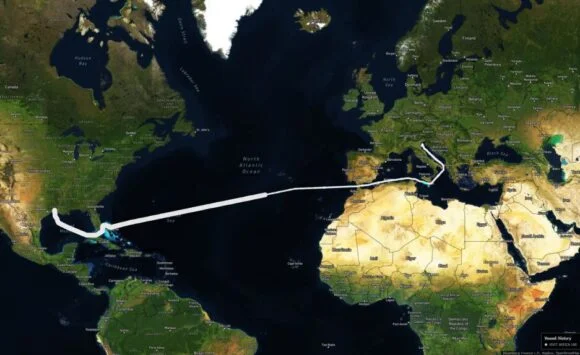
A significant incident has emerged involving the liquefied natural gas tanker Vivit Africa LNG, which is suspected to have suffered from a cyber attack while navigating the Mediterranean Sea. Sources familiar with the situation indicate that crew members reported a failure in the internal control systems earlier this month, leading to disruptions in the vessel's operations. Such incidents raise alarm bells for various stakeholders, not just in shipping but also in energy markets.
The tanker, under a long-term lease from trading entity Vitol Group, was en route from the US to Europe when the crew found themselves unable to engage critical systems just as they approached Italy. This control failure isn't trivial; it impacts everything from ballast management to cargo temperature regulation. Following the incident, the Vivit Africa LNG remained idle near the coast, unable to discharge its cargo, before ultimately reversing course towards Spain’s port of Algeciras. The ramifications extend beyond just a delayed shipment; they ripple through supply chains, potentially affecting LNG prices on European markets.
Immediate Response and Operational Impact
According to reports, the crew promptly notified Korean Register, the technical and safety advisor for the South Korean-owned ship, about the systems malfunction. Investigations are ongoing, yet there are currently no leads on the identity of the potential perpetrators behind the suspected cyber attack. This lack of information could fuel speculation about the vulnerabilities in maritime cybersecurity, especially in an industry where operational integrity is paramount.
The vessel’s journey began at Louisiana’s Cameron LNG terminal, where it loaded its cargo before crossing the Atlantic. It neared its intended Italian destination in early September when the malfunction occurred. Experts believe this timing is significant; it suggests the attack, if confirmed, could be a calculated move by criminals to hit a vulnerable moment in the supply chain. While the situation's unfolding, it’s important to scrutinize the inherent vulnerabilities that exist not only in this case but throughout the industry.
Response from Authorities and Investigation Details
The Italian Coast Guard provided assistance to the tanker when the crew reported the malfunction, noting that the issue involved monitoring systems crucial for managing cargo parameters. Captain Roberto D’Arrigo confirmed that the Coast Guard acted to ensure navigational safety. They played a vital role, but even their prompt reaction couldn't stave off the uncertainty that such incidents create. The root cause of the problem remains undetermined, raising questions about the efficacy of existing maritime cybersecurity frameworks.
Kongsberg Maritime, which supplied some of the ship's critical equipment, has acknowledged the reports of the incident but emphasized that it’s premature to ascertain the cause or any security ramifications. Their spokesperson, Jon Berge, has remarked on the situation without drawing any conclusions at this stage. This hesitation underscores the broader apprehension among equipment suppliers about how they're perceived following such security breaches.
Context and Industry Concerns
This incident is part of a broader concern within the maritime industry regarding cybersecurity vulnerabilities. In late August, two oil and gas tankers off the US coast encountered similar issues, resulting in a response from federal authorities, including the Coast Guard and the FBI. This pattern isn't just coincidental; it reflects systemic risks that the maritime sector faces as it becomes increasingly interconnected with digital technologies. In light of these instances, American officials are actively monitoring nearly 20 ships globally for potential cyber threats.
The Vivit Africa LNG's disruptions underline the rising risks associated with maritime cyber threats, stressing the need for enhanced security measures within the industry. If you're working in this space, you'll recognize that tanker operations could be under siege from cybercriminals aiming to exploit vulnerabilities in vessel systems. Supply chain disruptions could lead to financial losses, reputational damage, and a loss of consumer confidence, particularly as nations strive for energy independence and security.
As investigations continue into the incident involving the Vivit Africa LNG, the implications for maritime security and operational protocols resonate throughout the industry. Stakeholders will likely need to reassess their cybersecurity strategies to safeguard against future attacks that could severely disrupt shipping capabilities and compromise safety. (And this is the part most people overlook.) The interconnectedness of global energy markets means that a single incident can have wide-ranging consequences.
Implications for the Future
With the stakes high in global shipping and energy supply chains, the maritime industry must prioritize addressing emerging security concerns in a bid to reduce vulnerabilities and enhance resilience against cyber threats. The rising incidence of cyber attacks could lead to calls for stricter regulations and standards in cybersecurity measures, akin to what we’ve seen in other sectors like finance. Companies may be forced to invest more heavily in cybersecurity technology and training, which could reshape their operational budgets and strategies.
In sum, this incident isn't just a wake-up call; it’s a clarion call for change. If the maritime sector doesn’t adapt, it risks becoming a prime target for cybercriminals, with devastating impacts on international trade and energy supplies. As the investigation into the Vivit Africa LNG continues, the industry would do well to take a hard look in the mirror and ask itself: are we prepared for the challenges ahead?
Discussion
Sign in to join the discussion.