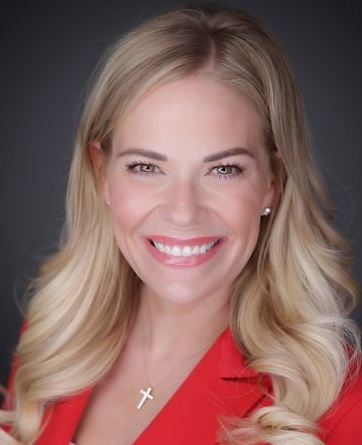
Sabrina Timmins has been appointed as the new chair of the IICF’s Southeast region, succeeding Dan Kennedy in this philanthropic leadership role.
New Leadership at IICF Southeast Region
Sabrina Timmins, who serves as a senior vice president at CNA Insurance, has been appointed chair of the Insurance Industry Charitable Foundation (IICF) for the Southeast region. This transition comes as she takes over from Dan Kennedy, managing executive at CRC Group, who has led the foundation since early 2024. This change in leadership couldn’t come at a more pivotal time, as the IICF looks to expand its initiatives and respond effectively to the evolving needs of communities. A new chair can bring fresh perspectives and strategies to guide the foundation’s priorities.
Background and Experience
Timmins comes with two decades of experience in the insurance sector, holding a master's degree in business administration from Northwestern University. Her robust background includes various leadership roles that have honed her skills in strategic planning, operations management, and community engagement. Notably, she has served as the head of the fundraising and development committee at IICF, showcasing her commitment to charitable initiatives. This kind of experience is vital, particularly when leading an organization that thrives on philanthropy and community support. Timmins’ proven ability to connect with both corporate and nonprofit sectors will likely be crucial as the IICF seeks to enhance its outreach and impact.
IICF's Mission and Impact
The IICF, a longstanding philanthropic body in the insurance industry, has a mission that spans over 30 years. The foundation provides financial assistance and volunteer services to support communities nationwide. What does this mean? Well, IICF's initiatives play a significant role in addressing systemic issues within various communities. In the Southeast region alone, IICF has awarded $13.5 million in grants to over 300 nonprofit organizations. These grants target crucial areas such as support systems for children at risk, disaster readiness and relief, educational programs, and meals for families facing food insecurity. The scale of IICF's impact cannot be understated. Each dollar invested not only fosters immediate relief but also strengthens community frameworks over the long haul.
Challenges Ahead
However, the road ahead is lined with challenges. Economic fluctuations, social unrest, and unprecedented climate events have exacerbated the demand for charitable assistance. The ongoing pandemic's lingering effects have shifted community needs dramatically, prompting organizations like the IICF to reevaluate their priorities. In this landscape, Timmins will need to innovate and adapt the foundation's strategies to address these pressing issues. Balancing charitable work with sustainable support systems may prove difficult, especially when funding streams can be uncertain. There's a broader conversation to be had about how foundations like IICF can remain effective in a time of heightened demand.
Significance of IICF's Role in the Insurance Sector
The IICF’s commitment to philanthropy highlights an essential return on investment concept within the insurance sector. Historically, financial services have often been criticized for their disconnection from community welfare. But through efforts like those of the IICF, the industry is taking steps to demonstrate its social responsibility. This relationship between financial success and community support is becoming increasingly vital in establishing trust. When consumers think about insurance, they often associate premiums and payouts. However, awareness of a company’s charitable efforts can influence consumer choice. If you’re working in this space, consider how such initiatives can positively affect brand reputation and customer loyalty. The narrative is shifting; insurance companies that prioritize community goodwill may find themselves ahead of the competition.
Future Outlook
Looking ahead, Timmins will likely focus on fortifying partnerships with nonprofit organizations and exploring new avenues for funding and engagement. Recent trends indicate a surge in corporate social responsibility, and IICF can capitalize on this by aligning its missions with businesses looking to enhance their philanthropic footprints. Engaging Millennial and Gen Z consumers, who highly value social impact, can prove particularly beneficial. That said, the foundation must also prepare for scrutiny on how funds are being allocated. Transparency in charitable initiatives is crucial in today’s socially conscious environment. This extends not only to financial disclosures but also to the outcomes and metrics that demonstrate the impact of their programs. And yet, the IICF's ability to adapt and respond to an ever-changing social context will play a critical role in determining its future effectiveness. Organizations with steadfast missions yet flexible frameworks often fare better in the long run. As Timmins settles into her role, her leadership will likely be measured by her capacity to navigate these challenges while maintaining the foundation's core mission of community betterment.
Final Thoughts on Leadership Transition
The transition of leadership at IICF underscores the ongoing evolution within the insurance philanthropy sphere. As we reflect on past leaders like Dan Kennedy, it’s important to consider how new perspectives can reinvigorate organizational goals. Sabrina Timmins brings not just experience, but a vision for where IICF can go next. This is more significant than it looks. Her leadership style and priorities might steer the foundation toward more impactful societal contributions that resonate with today's pressing issues. Change, especially at the top, could yield new strategies for effective charitable engagement that keeps up with the demands of an ever-evolving community landscape.
Discussion
Sign in to join the discussion.