The Colossal Foundation and IUCN have partnered to invest $4 million aimed at advancing species conservation through technology and targeted funding programs.
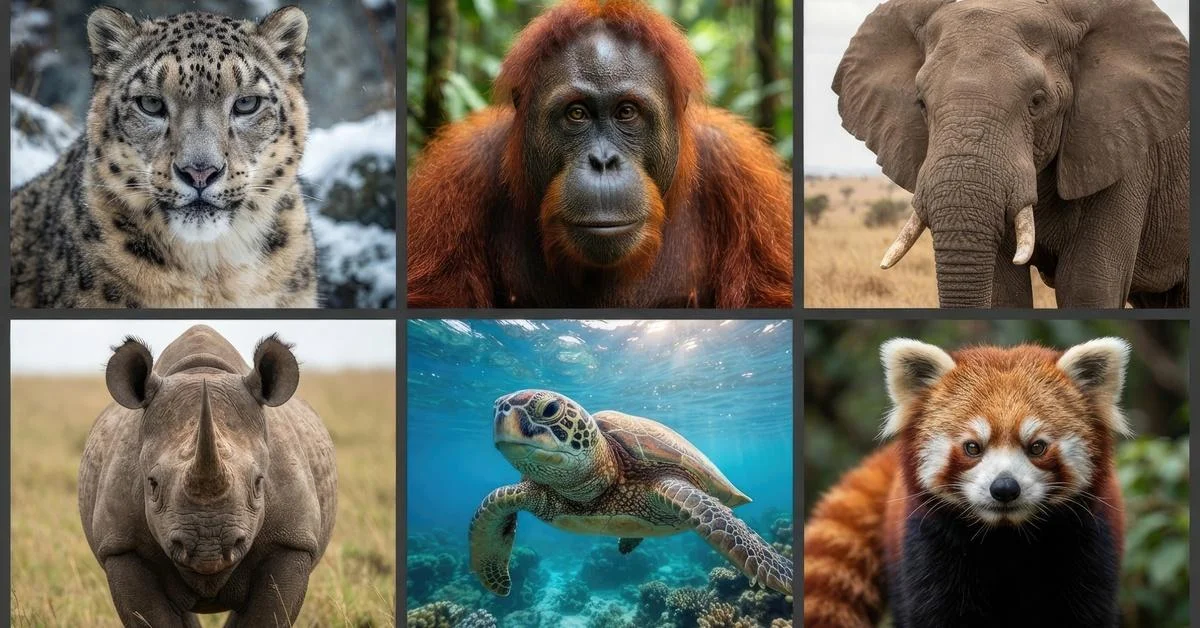
The fight for species conservation is receiving a significant boost through a new $4 million funding initiative, spearheaded by the IUCN Species Survival Commission and the Colossal Foundation. This collaboration aims to expedite efforts in saving endangered species globally by integrating cutting-edge technology with established conservation strategies.
Goals of the Initiative
By harnessing the IUCN SSC’s extensive network of over 11,000 conservation professionals in 186 countries, this initiative looks to enhance the speed and efficiency of species assessments and resource allocation. The goal isn't just to identify at-risk species more rapidly; it's about directing attention to those that often slip under the radar. This means not only the charismatic megafauna like elephants and tigers, but also lesser-known species that play critical roles in their ecosystems. If you’re working in this space, you understand the urgency; many species could be irreversibly lost before they even receive a chance at conservation efforts.
Vivek Menon, Chair of the IUCN Species Survival Commission, emphasized the ongoing challenges of responding to the crisis. “The Species Survival Commission has spent more than seventy years building the scientific foundation the world relies on to understand which species are in trouble and why. What we have often lacked is the capacity to move at the speed the crisis demands,” he said. That gap is glaring. Conservation efforts must not only be scientifically sound but also executed with urgency, and this partnership aims to address that disparity. The tools and methodologies developed through this collaboration will ideally empower stakeholders to take timely action.
The Significance of the IUCN Partnership
The International Union for Conservation of Nature holds a pivotal role in shaping global conservation efforts, particularly with its IUCN Red List, a primary resource for tracking species on the brink of extinction. Currently, more than 175,900 species have been assessed, with over 49,500 designated as threatened. This staggering statistic serves as a wake-up call, underscoring the persistent challenges of evaluating biodiversity worldwide. The new initiative aims to not just address this gap but also to bolster the scientific underpinning for the urgent conservation efforts needed. The IUCN’s reputation for rigor lends additional credibility to this initiative; it’s widely seen as a trustworthy authority in conservation issues.
On the other side, the Colossal Foundation introduces an essential layer of scientific innovation into the mix. They bring expertise in areas such as genome sequencing, gene editing, and artificial intelligence, positioning themselves to contribute alongside established conservation strategies. By collaborating with the SSC experts, they intend to explore how these technologies can be responsibly applied to real-world conservation challenges. This is the part most people overlook—the intersection of tech and nature is fraught with ethical questions, and the way these tools are employed will matter immensely. Maintaining IUCN’s independence and scientific rigor while navigating these complexities is a delicate balancing act.
Help for Underrepresented Species
This partnership also features a new grants program aimed at providing resources for underfunded species, including various fungi, plants, and invertebrates, which frequently lack the attention they need. These organisms are often overlooked in broader conservation discussions, even though they are vital for ecosystem functioning. The initiative will not only boost the SSC network but also elevate global awareness around biodiversity and species recovery. As public interest in conservation rises, focusing on those lesser-known species could generate a more nuanced understanding of biodiversity’s intricate web. What this means for you is that this initiative could help reframe conservation priorities and methodologies in the future.
Colossal Foundation has previously funded projects like Reverse the Red, a coalition co-chaired by the IUCN SSC and the World Association of Zoos and Aquariums. Their past efforts, which include conservation work focusing on Asian elephants and Samoa's critically endangered manumea species, reflect a commitment to both scientific inquiry and practical action. Past results show that holistic approaches can lead to substantial outcomes, underscoring the importance of this new initiative.
Colossal has gained attention for its research in genetic technology, particularly in de-extinction efforts involving species like the dire wolf. These projects raise significant discussions about the potential for biotechnology not just to restore lost species, but also to augment preventive measures for those currently in jeopardy. However, the debates surrounding de-extinction highlight ethical considerations that could affect public sentiment about conservation tactics. The various dimensions of these discussions shouldn’t be overlooked; failing to address public concerns could undermine these efforts.
“Extinction prevention is a race against time, and the people closest to threatened species should have access to every responsible tool that can help them win that race,” said Matt James, Executive Director of the Colossal Foundation. This partnership signifies a vital convergence of conservation proficiency, financial backing, and technological advancements to bolster global efforts against extinction. Yet, the real question is how effectively these tools will be employed. With various stakeholders involved, the operational logistics could become complex. Will the resources be allocated wisely? Or will some opportunities slip through the cracks?
Future Outlook and Implications
Looking ahead, the implications of this initiative could stretch far beyond what’s currently visible. As technology becomes increasingly integrated into conservation efforts, future collaborations may pave the way for similar partnerships across diverse sectors. The intersection of biology, technology, and ethics will likely dictate future conservation agendas. What this signals is a more dynamic approach to saving species, one that’s responsive to the immediate needs of ecosystems.
This $4 million initiative might seem significant at first glance, but in the context of global species conservation needs, it’s just a drop in the bucket. The ongoing biodiversity crisis demands not only funding but a shift in how resources are prioritized. If the initiative can catalyze larger-scale funding efforts or even inspire other organizations to act similarly, then it’s more significant than it looks. Ultimately, success will depend on the synergy of all involved parties and their commitment to maintaining momentum in the face of daunting extinction rates.
Discussion
Sign in to join the discussion.