Amazon Avoids Liability in Miami Plane Crash: The Legal Implications for its Logistics Strategy
Published Sep 10, 2026Views 969By Admin
Amazon positions itself to evade liability after a Miami plane crash involving a contracted cargo airline, complicating its logistics strategy.
Amazon's Legal Shield in the Wake of the Miami Plane Crash
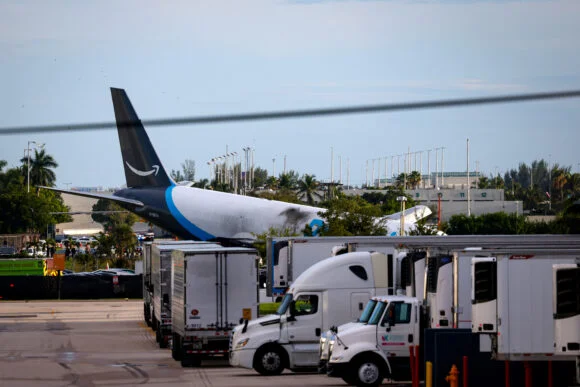
Amazon has quickly positioned itself to avoid liability following a recent cargo plane accident at Miami International Airport. The crash involved a Boeing 767 operated by 21 Air, a North Carolina cargo airline contracted by Amazon for deliveries. When the aircraft overran the runway, its Amazon branding became a focal point—not just for its commercial identity, but for the legal implications that followed.
This incident highlights the potential risks associated with the gig-based logistics model, where major brands subcontract delivery services to third parties. By using contractors like 21 Air, Amazon is part of a trend seen across various industries, where companies strive to minimize operational headaches and liabilities. This specificity in branding could lend itself to reputational harm if perceptions shift from one of reliability to insecurity in Amazon’s logistics operations.
Legal Implications and Operational Control
Though Amazon's logo adorned the plane, the e-commerce giant doesn’t own the aircraft or its pilots. This distinction is pivotal in understanding the potential liability landscape. According to Steven Marks, an aviation attorney based in Miami, the focus will typically be on whoever had "operational control" of the aircraft at the time of the incident. In this case, that would likely point back to 21 Air.
The legal responsibility in aviation accidents often revolves around who has the authority over the flight operation at any given moment. This is represented by a complex web of contracts and agreements that govern relationships between companies like Amazon and their carriers. The distinction might seem trivial but could have far-reaching consequences for all parties involved—it’s a legal quagmire that could result in Amazon escaping liability, or being drawn into a protracted legal battle if fault can be traced back to them.
The Fallout: Lawsuits and Investigations
The fallout from the incident has already begun, with the widow of a van driver, whose vehicle was struck during the accident, filing a wrongful death lawsuit. The filing names numerous defendants, including Amazon and various entities associated with 21 Air. As with many aviation accidents, the legal challenges could escalate if it is determined that there are systemic issues related to the aircraft’s maintenance or manufacturing.
And this is the part most people overlook: the interplay between federal regulations and state law can muddy the waters significantly. The National Transportation Safety Board (NTSB) often conducts thorough investigations that can take months or even years. If manufacturers or maintenance organizations are implicated, the legal landscape could change entirely, pulling Amazon further into the fray despite its contractual safeguards.
Here's the thing: complexities abound in aviation accidents. Investigators often find multiple factors at play, making it tough to pinpoint a single cause. Preliminary findings from the NTSB indicate that the jet increased thrust just before overshooting the runway—an unusual maneuver associated with aborting a landing. Interviews with the pilots may reveal more about their actions leading up to the crash, adding layers of complexity to the legal quagmire Amazon finds itself in.
Amazon's Response and Corporate Image
As Amazon continues to grow its logistics empire, it has crafted a strategy that allows it to outsource significant portions of its operations. This model isn't unique; major carriers like FedEx and UPS also depend on contractors for various routes. However, Amazon’s method of insulating itself from liability through these contractual relationships raises questions about accountability in their delivery network.
If you’re working in this space, you know that reputational damage can be just as harmful as financial loss. Despite the incident's potential impact on its public image, Amazon's responses—including condolences and cooperation with the investigation—signal its intent to manage the narrative carefully. This approach may protect its brand in the short term but doesn’t shield it from long-term scrutiny regarding the efficacy and safety of its logistics model.
The Future of Amazon's Logistics Strategy
While Amazon has made strides in establishing its freight capabilities with a fleet of over 103 planes, including the aircraft involved in this crash, the company now faces scrutiny not only from regulators but also from the families affected by this tragic incident. Balancing growth ambitions against potential liabilities will be a crucial consideration as the investigation unfolds and lawsuits emerge.
What this means for you as a business observer is that Amazon's logistics approach could become a case study in risk management. The incident may prompt the company to reassess its relationships with contractor service providers. Ensuring operational safety might necessitate tighter controls and oversight, potentially reshaping its delivery model.
These legal proceedings hold significant implications beyond just the immediate fallout. As the saying goes, "With great power comes great responsibility," and the outcomes might define how Amazon navigates this responsibility moving ahead. The lessons learned from this event could lead to industry-wide changes in how logistics companies and their partners manage risk and ensure accountability. Whether Amazon emerges stronger or with a tarnished reputation hangs in the balance, hinging on the investigation's results and public perception.
Discussion
Sign in to join the discussion.