A planned $450 million phosphate plant in Louisiana could significantly reduce the US dependency on imported fertilizers amid ongoing global supply disruptions.
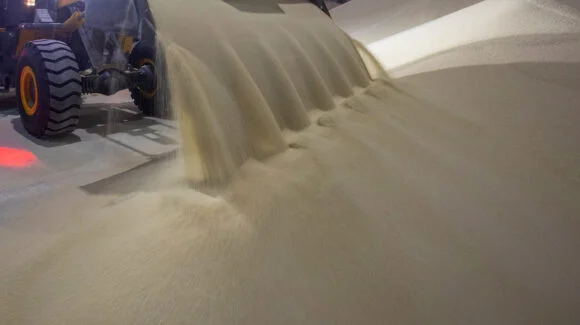
CHS Inc., a farm cooperative, and OCP North America are moving forward with a $450 million proposal for a phosphate fertilizer plant in Waggaman, Louisiana. This facility, which would be the first in the U.S. in over 40 years, aims to produce more than one million tons of phosphate-based fertilizer annually. According to Bloomberg Green Markets, U.S. production of finished phosphate fertilizers stood at approximately 5 million metric tons in 2024.
Context Behind the Proposal
The urgency of this project arises from significant turmoil in global fertilizer markets, driven by geopolitical tensions in regions such as Russia, Ukraine, and the Middle East. These events have disrupted trade flows, causing spikes in fertilizer prices and raising alarm about U.S. food security. As farmers face rising costs and volatile supply chains, the implications of this proposed facility stretch far beyond its immediate production capabilities.
In this context, the new plant could alleviate dependence on imported phosphate fertilizers by over 48%, as outlined in the project’s preliminary release. That's substantial. It reflects an increasing desire within the U.S. agricultural sector to secure domestic sources of essential inputs, thus reducing vulnerability to unpredictable global markets. By producing phosphate fertilizers locally, farmers could enjoy more consistent pricing, which is vital for planning and profitability.
Government Support and Industry Reactions
“We need to clap real loud for that. That is a really big deal,” said Agriculture Secretary Brooke Rollins during a recent event where the plant was announced. Her enthusiasm speaks volumes about the administration's commitment to bolstering domestic agriculture. This commitment reflects a broader trend in U.S. agricultural policy, increasingly focused on self-sufficiency, particularly in the face of a shifting geopolitical landscape.
By introducing new competition into the market, the facility is expected to provide U.S. farmers with better pricing options. Deputy Agriculture Secretary Stephen Vaden emphasized that this development could offer a viable alternative for farmers who have been facing escalating costs due to industry consolidation. The fertilizer market, increasingly scrutinized for its lack of competition, stands to benefit from this investment. Advocates for farmers are hopeful that the plant could disrupt the pricing power of a few dominant players, amplifying market options for producers.
The Impact on International Trade
This plant also gives Morocco’s OCP Group enhanced access to the U.S. market. The largest phosphate producer in the U.S., Mosaic Co., has previously sought duties on Moroccan fertilizers, arguing they were sold in the U.S. at below-market rates. However, those tariffs were suspended by the White House in June to support the agricultural sector. And yet, the dynamics of international trade are complex and fraught with negotiation challenges.
OCP will supply the necessary phosphoric acid to the facility, with Morocco holding the world’s largest reserves of phosphate rock. Fertilizer products will then be distributed through OCP’s North American subsidiary and CHS. This arrangement could transform supply chains, particularly if political relationships between the U.S. and Morocco remain stable. The ability to source materials domestically will likely attract attention from other international sources, potentially revamping how U.S. farmers engage with overseas suppliers.
Market Dynamics and Implications of Construction
Construction is anticipated to span approximately two years, contingent upon securing relevant project and funding approvals. This timeframe reveals the often lengthy process behind such large-scale projects; it's not purely a financial or logistical endeavor but a multifaceted interaction involving regulatory approvals, environmental considerations, and community engagement.
Earlier this August, prices for diammonium phosphate in New Orleans hit their highest point in a year, although they have since moderated, according to Bloomberg Green Markets data. The fluctuations signal acute market sensitivities influenced by external factors, including seasonal demands, climate impacts, and policy changes. Such volatility can greatly affect farmers' decision-making processes, leading to increased scrutiny of trends and prices in the fertilizer sector.
Future Outlook and Significance
As the U.S. grapples with systemic agricultural pressures exacerbated by international conflicts, the establishment of this plant could mark a noteworthy shift in domestic fertilizer production capabilities and food supply stability. It's significant because it could set a precedent for other agricultural inputs that might likewise need domestic production sources to buffer against global disruptions.
If you're working in this space, the implications are clear: the potential for enhanced domestic production of fertilizers could not only stabilize prices but also impact food security in the long term. Current conditions suggest that this isn't just about one facility or one deal — it's about rethinking how agricultural inputs are sourced and how farmers can protect themselves against unpredictable market influences.
(and this is the part most people overlook) The broader consequences of such developments need to be considered, particularly how they'll reshape policies surrounding agriculture trade, competition, and sustainability. With the end goal of a more resilient food supply chain, this initiative could be more significant than it initially appears.
Photo: A worker operates a front end loader to move granules of phosphate fertilizer in a storage warehouse, Cherepovets, Russia. Source: /Bloomberg
Discussion
Sign in to join the discussion.