MSC halts services to Novorossiysk following a drone attack on its vessel, highlighting escalating risks in the Black Sea.
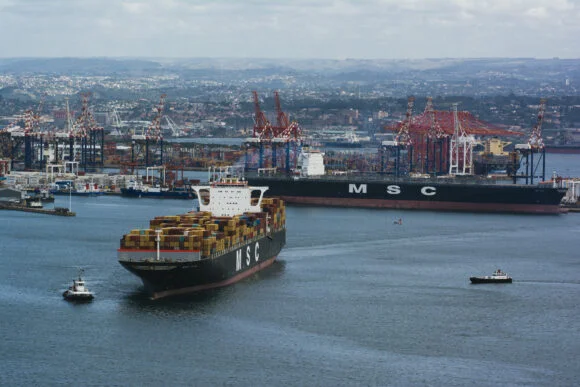
The largest container shipping company, MSC Mediterranean Shipping Co., has stopped all new bookings to and from Russia’s Novorossiysk port. This suspension follows a drone strike on the MSC ULSAN III while it was en route to the port, as confirmed in a notice to customers by the company.
Contextualizing the Suspension
MSC's decision reflects mounting tensions arising from the ongoing conflict in Ukraine. The conflict, which began in February 2022, has not only destabilized the regional security environment but has also had far-reaching implications for global shipping operations. Since then, container shipping companies, including MSC, have had to navigate an increasingly hazardous operating environment. This latest incident demonstrates a clear escalation in hostilities that directly impacts maritime operations.
New bookings are a vital part of the shipping industry's logistics flow; halting them indicates a severe disruption in service availability. For MSC, suspending operations to Novorossiysk isn't just about a single incident; it signifies a broader trend of caution being applied across maritime transport due to increasing risks. This is a major warning sign for businesses involved in import/export activities in the region, as it signifies uncertainty and potential logistical hurdles that may extend far beyond immediate safety concerns.
Operational Impact
While MSC has not disclosed the exact timing of the drone attack, the incident clearly raises alarm around maritime safety in the region. The Black Sea has become a focal point for military activities, and any strike near commercial vessels raises immediate concerns about crew safety and cargo integrity. Customers are encouraged to reach out to MSC's Russia agency for alternative logistics solutions for imports and exports as the company reassesses conditions for potentially resuming regular services.
Similar systems typically adopt a more cautious approach when faced with such threats, opting to reroute shipments or diversify their operational bases. MSC's current approach reflects this reality, as they maintain operations at other Russian ports like St. Petersburg while halting services in Novorossiysk. This operational shift emphasizes the critical need for shipping companies to maintain flexibility in their logistics strategies, a necessity in a landscape fraught with unpredictability.
Broader Shipping Dynamics
Since the beginning of the conflict in Ukraine, MSC, along with other shipping lines, has limited its operational scope in Russia, primarily focusing on essential goods like food and medical supplies. The emphasis on such items suggests a company strategy aimed at mitigating risk while maintaining some level of service to support humanitarian needs. It's a balancing act, navigating regulatory constraints and security threats while still responding to market demands.
This strategy, however, comes at a cost. The global shipping industry generally relies on predictability and trust in operational routes. By scaling back to essential goods and halting operations at Novorossiysk, MSC and its competitors risk alienating commercial partners reliant on broader shipping services. The negative ripple effects can be felt throughout supply chains, from manufacturers to consumers.
Competitive Landscape
In recent months, both Russia and Ukraine have intensified their attacks targeting commercial shipping and ports in the Black Sea, leading to significant disruptions in grain exports and pushing wheat prices to their highest levels in three years. The implications for global markets are substantial. Countries heavily reliant on grain imports from Ukraine, for example, are facing food security issues, while exporters feel the strain of lost contracts and increased risks.
What this means for businesses operating in or trading with the region is critical: shifting geopolitical factors are reconfiguring not just shipping routes but possibly the entire trade ecosystem. Steel and coal exports from Russia have also been significantly disrupted, creating further squeezes on supply chains. Whether companies can adapt to these challenges often hinges on their ability to pivot quickly, develop alternative strategies, and anticipate how ongoing military actions will evolve.
Assessing Maritime Risks
This situation underscores the escalating risks maritime operators face in the region, prompting a reevaluation of logistics and safety protocols. The conditions businesses have to navigate are layered with both geopolitical instability and operational uncertainties. As companies assess these risks, the focus on risk management will be paramount in their strategic planning. Decisions about which routes to pursue and what goods to ship will require not only awareness of security issues but also in-depth risk assessments.
And yet, the emotional toll can't be overlooked either. For those at the frontline, fear is a constant companion. The fact that crews and cargo aren't just assets but human lives adds a dimension that spreadsheets don't capture.
Implications of the Ongoing Situation
As MSC and others continue to evaluate the evolving landscape of maritime operations amid rising threats, cautious optimism may be in order, but it won’t come easy. If you're working in this space, expect procurement timelines to stretch, insurance costs to rise, and operational protocols to become increasingly complex. Companies will need to adopt more agile planning methodologies that can adjust to sudden geopolitical shifts. The reality is that uncertainty has become a fixture in strategic decision-making, and adapting to this new norm is essential for survival.
Maritime logistics will likely see a profound shift as firms grapple with these risks while maintaining service to essential sectors. The trajectory of this conflict, and other similar regional tensions, will continue to shape the shipping sector for the foreseeable future. Staying informed will be vital, and those willing to rework their strategies may find pathways through the turbulence.
Image credit: Waldo Swiegers/Bloomberg
Discussion
Sign in to join the discussion.