The Rising Value of Discontinued Rolex Watches: Exploring Collectible Trends
Published Aug 18, 2026Views 707By Market Realist Team
Discontinued Rolex watches, like the "Kermit," often appreciate significantly, driven by rarity and collector demand, defying typical consumer depreciation.
Insights into the Surprising Value of Discontinued Rolex Watches
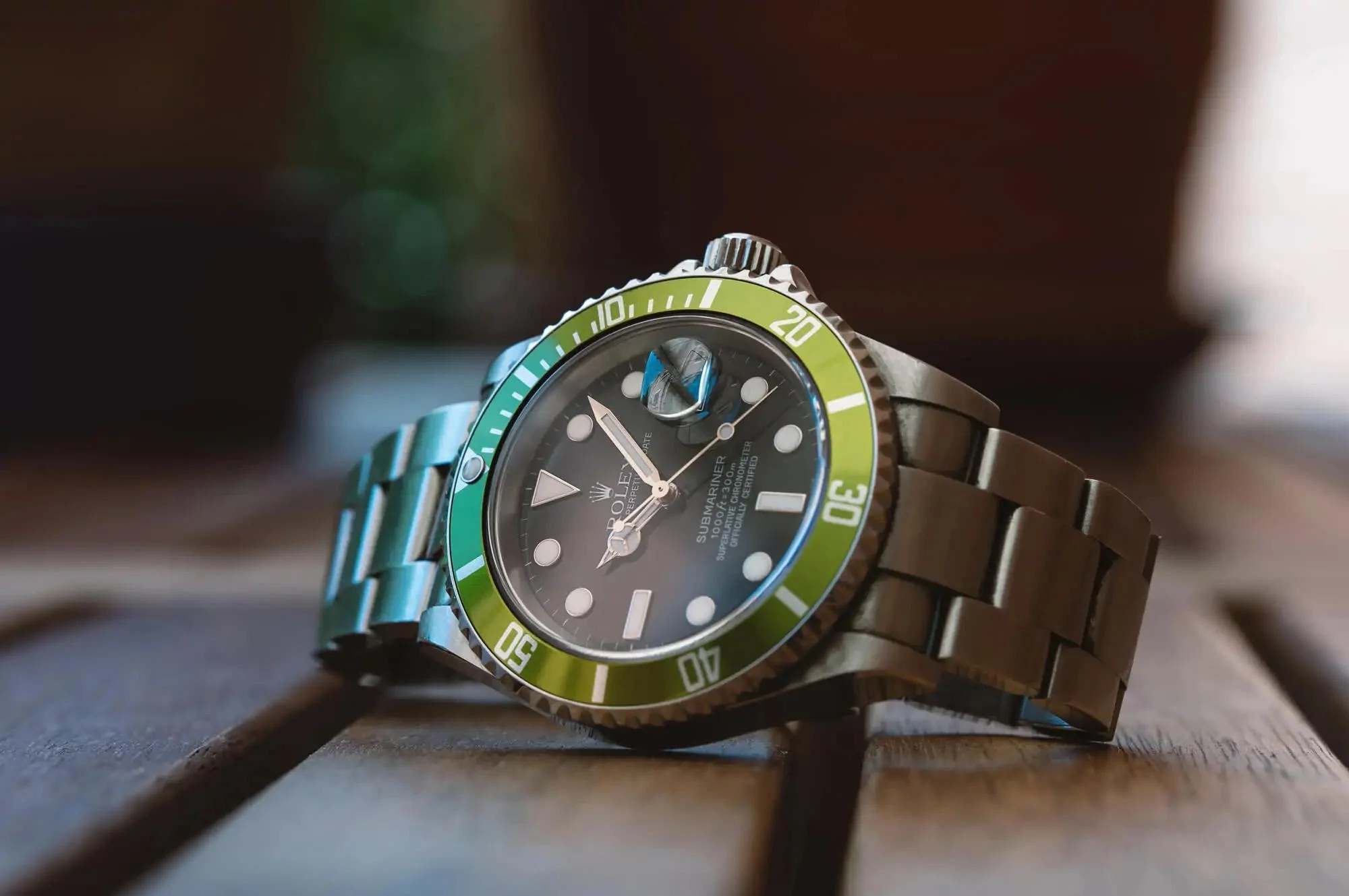
When you discuss Rolex watches among collectors, mentioning the famous Submariner "Kermit" with its striking green bezel often sparks lively conversation and not just nostalgia; it’s about value. Unlike most consumer products, which tumble in worth the moment they leave the store, many discontinued Rolex models have surged in price. It’s not unusual for a "Kermit," for instance, to command significantly more today than its original retail price, sometimes by impressive margins.
This phenomenon presents a peculiar contradiction in consumer goods dynamics. While items such as cars and electronics typically lose value rapidly—often by 20% as soon as they're purchased, Rolex watches defy this trend, embodying a market mentality akin to collectibles. The intricacies of supply and demand play a pivotal role here, creating trends that are not reflected in a traditional pricing schema. For those immersed in this field, the absence of discounting and calculated production limits by Rolex contributes directly to this situation. When a watch model like the two-tone green Submariner is discontinued, the available quantity instantly becomes fixed. The allure of rarity drives collector interest and, as a result, bolsters the item's price on the secondary market.
What’s particularly striking is how demand does not wane with discontinuation; instead, it often intensifies, resulting in scarcity premiums. Factors such as unique dial colors or limited production runs can escalate the value of certain references far above their initial cost. For any enthusiast or investor in the luxury watch market, understanding these movements provides critical insight into both the risks and opportunities of trading in collectible timepieces.
Understanding Market Dynamics
Rolex's steadfast refusal to offer discounts or flood the market with excessive supply creates a unique environment for resale. Each discontinued reference becomes a finite asset, fostering an ecosystem where collectors are not merely purchasing a watch but investing in a piece of heritage. As a collector, recognizing this supply-and-demand interplay and the specific traits that enhance desirability is essential for navigating the market effectively.
So, if you're considering a Rolex purchase as an investment, it's crucial to focus not just on the wearability of the piece but also on its potential market trajectory. Recognizing the qualities that can push a watch's value beyond its sticker price is fundamental to making informed decisions in this intriguing niche market.The disconnection between your watch's perceived value and its actual worth in today’s market can be disorienting. Many watch owners mistakenly rely on old insurance appraisals or past quotes to determine what they could get if they decide to sell. However, the reality is starkly different. The true value of a luxury timepiece hinges on current market activity – what comparable watches are selling for right now, informed by auction results, dealer transactions, and sales data.
### Understanding True Market Value
Most people encounter “watch valuations” primarily through the lens of insurance appraisals. These figures are created with a specific goal: they determine full replacement cost, essentially representing the price you’d pay for a new version at retail, often padded to ensure adequate coverage. This inflated valuation, designed to protect the client, can mislead sellers hoping to gauge what they might receive in an actual sale.
That insurance number might look reassuring on paper, but it can lead to significant misunderstandings when the time comes to sell. The fair-market value — what a buyer is genuinely willing to pay — doesn't align with insurance estimates. This gap is crucial: blending these two different valuations can result in inflated expectations for sellers or, conversely, an undervaluation of a cherished asset.
### How Valid Offers are Determined
A legitimate resale offer is not arbitrary. It's based on current, concrete data rather than conjectures found in outdated price guidelines. Comprehensive analysis involves examining what similar watches have sold for in the secondary market, factoring in condition, accessories, and real-time trading activity instead of static price lists.
Companies like Diamond Banc have adopted this approach effectively. They provide market-based offers, backed by meticulous assessments of each watch's specifics, such as serial numbers and movement details. Such transparency allows sellers not only to see the value of their pieces instantaneously but also to empower them with accurate, timely information rather than relying on potentially misleading historical appraisals.
### Final Thoughts
If you've got a well-maintained or rare Rolex in your possession, the old appraisal or original ticket price alone won't give you the whole picture. The secondary market operates under its own set of rules, grounded in actual sales rather than replacement values. It's crucial for any watch owner to understand this and seek out the market-based valuation rather than cling to past figures. Knowing the right number can make all the difference when you're contemplating a sale, ultimately guiding you toward what’s realistic in today's marketplace.
Discussion
Sign in to join the discussion.