A guest on Antiques Roadshow learned his $1,500 investment in a Helen LaFrance painting was worth up to $10,000, highlighting art's investment potential.
Art as an Investment
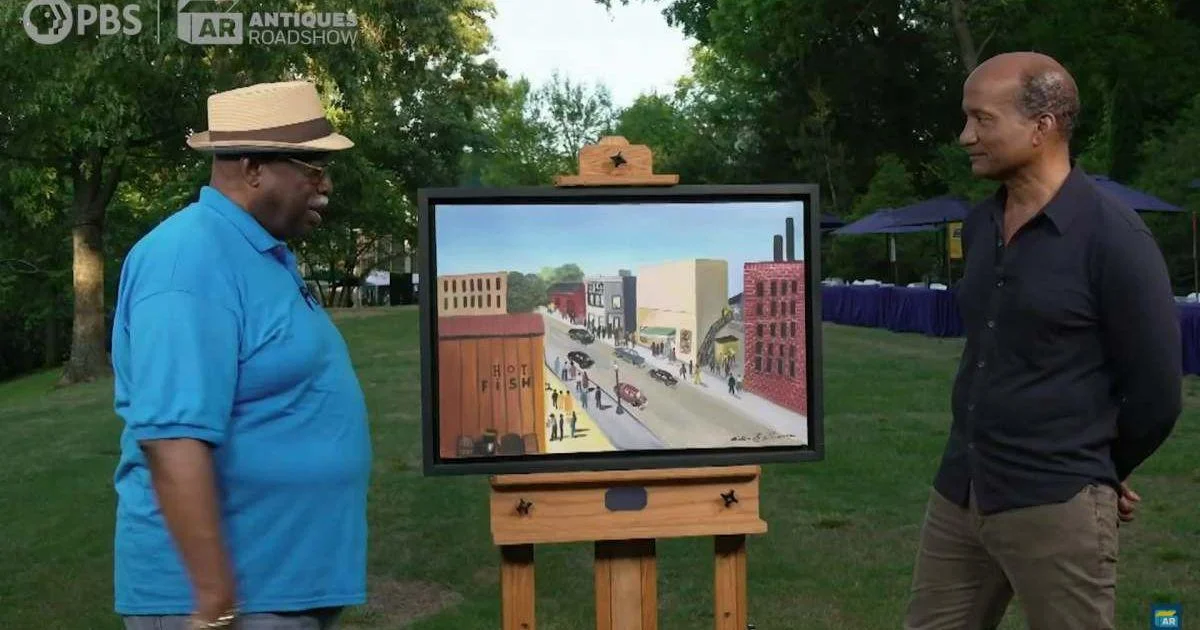
Art transactions don't just reflect aesthetic appreciation; they can also demonstrate considerable financial gain. This was vividly illustrated on the renowned television series Antiques Roadshow, where a guest was astounded to discover that his 20-year-old painting, originally purchased for $1,500, could fetch an auction price of between $8,000 and $10,000. The appraisal came from expert Aaron Payne, who highlighted the significant increase in value of this artwork, underlining a broader trend where art collecting is increasingly seen as a viable investment strategy. The relationship between art and finance isn't merely anecdotal; it mirrors ongoing trends in both the art market and economic discussions within investment circles.
The Personal Connection
The guest recounted the endearing backstory of his purchase, explaining he sought works from Black artists and was drawn to the piece after learning that Oprah Winfrey had a painting by the same artist. This aspect of art collecting, where personal narratives intersect with monetary value, adds layers of meaning that go beyond the price tag. The artwork resonated with him, as it captured scenes reminiscent of his childhood travels with his mother. "I liked the scene because it reminded me of the 50s and 60s," he noted.
In an age where the importance of representation in art is more prominent than ever, the guest's motivation highlights a shared cultural connection. For many collectors, owning a piece by an artist from a marginalized community isn't solely about investment; it's about heritage, legacy, and identity. This dual motivation can enhance the emotional value of art, making it particularly fulfilling for collectors.
The Artist's Journey
Payne confirmed the artist was Helen LaFrance, a Kentucky native who gained prominence later in life. “She didn’t receive formal training and began painting full-time only in her mid-60s. LaFrance lived to be 101, leaving behind a legacy of significant works,” he remarked. This late start did not detract from the depth and quality of her art; rather, it added a unique dimension to her collection, making it especially desirable amidst collectors looking for authenticity and originality. Helen LaFrance's story illustrates a broader phenomenon in the art world; artists who break into the public consciousness late in life often carry a type of raw authenticity that resonates with audiences and investors alike.
This trend isn't limited to LaFrance alone. Over the years, other artists have shown that it's never too late to make an impact, which within itself can exponentially increase the value of their work posthumously. The art world often rewards the stories of resilience and late-blooming discovery, aligning with public sentiment towards artistic integrity.
Memory Paintings and Cultural Significance
Described as "memory paintings," LaFrance’s works often depict scenes from her rural Kentucky upbringing, featuring vibrant, yet simple color blocks that convey nostalgic themes of community gatherings and church life. “Her paintings are relatable snapshots of life, remembered vividly,” Payne explained. This approach taps into a collective consciousness about rural America at a time when many feel disconnected from such roots. LaFrance's art serves as a bridge, linking personal memories to communal experiences, which further augments its value. Art that reflects shared histories often becomes culturally significant, enhancing its market appeal.
(And this is the part most people overlook) — the emotional connection between artwork and societal values plays an important role in shaping market trends. As collectors express interest in works that resonate with contemporary social movements, like those advocating for Black artists and their representation, the financial valuation of such pieces can rise significantly. This isn't just a trend; it reflects a shifting paradigm in art appreciation, where cultural relevance can drive demand.
Resurgence in Interest
The painting showcased during the episode was noted to have been created in the early 2000s. Interest in LaFrance’s work has surged recently, propelled by a documentary that shed light on her life and artistry. "There’s been a resurgence in appreciation for artists who were previously overlooked, and significant collectors, as well as museums, have begun to actively seek her works," he added. This goes beyond just LaFrance; it touches on a rejuvenation within the art community towards latent treasures that had previously been disregarded due to various systemic biases.
The impact of such media exposure cannot be understated and has implications well beyond financial assessments. Collectively, they indicate a re-evaluation of art history and aesthetics — one that favors inclusivity and broader narratives. As more of these stories unfold, expect the market to reflect this renewed appreciation, resulting in reverberating value increases across the spectrum of previously underrepresented artists.
Looking Ahead: Financial Potential Meets Personal Connection
In a poignant moment during the appraisal, Payne informed the guest that LaFrance passed away in 2020, a fact that has contributed to the rising value of her artwork. The moment the potential auction value was disclosed, the guest removed his glasses and responded with delight, exclaiming, "Wow! Okay, good deal. I am too old!" This revelation not only brought joy to the guest but also underscored the financial potential embedded in art collecting. What this means for you, if you're working in this space, is that understanding the broader social context and the personal stories tied to artworks can significantly influence potential valuations and buying strategies.
Ultimately, the guest left with more than just the exhilarating news about his painting's worth. He also shared that he possessed another work by LaFrance at home, adding potential for further financial gain and personal connection. This dual aspect of art collecting — the thrill of investment and the joy of personal relevance — illustrates the multifaceted nature of the art market today. It's not just about trading pieces for profit; it's about cherishing the sentimental journeys they represent. For collectors and investors alike, this insight can inform future decisions within this volatile yet rewarding marketplace.
Discussion
Sign in to join the discussion.